CATHOLIC WORLD DAY OF MIGRANTS AND REFUGEES: Salesian Missions highlights educational, social programs that bring hope for migrants and refugees
Pope Leo XIV entitles his annual message as “Even just one of these children”
(MissionNewswire) Salesian Missions, the U.S. development arm of the Salesians of Don Bosco, joins Catholic organizations around the globe in honoring World Day of Migrants and Refugees. The day, celebrated on Sept. 27, is the 112th celebration of the day, which was started in 1914 as a way to highlight and express concerns for vulnerable populations of people who have left their homes in search of safety and more opportunity.
Each year a theme is chosen for the day. This year, Pope Leo XIV has chosen to entitle his annual message as “Even just one of these children”. In part of his message, he calls on everyone to listen to the plight of these children.
Pope Leo said, “Even just one of these children calls each one of us, in our personal lives, to open our eyes and heart to a profound listening to his or her story, fears and dreams, overcoming that detachment which reduces the human person to a statistic that does not directly concern us. It is an invitation to recognize the dignity of each child, even before considering the condition of being a ‘migrant,’ and to safeguard his or her fundamental rights: the right to life, education and a standard of living that enables full physical, mental, spiritual, moral and social development.”
Father Michael Conway, director of Salesian Missions, explained, “Salesian missionaries, working in more than 130 countries around the globe, have been on the front lines helping migrants and refugees in their new countries to become acclimated and access the resources they need. Salesians also focus on education and workforce development programs to provide more opportunities for youth to remain in their home country instead of being forced to migrate for employment.”
To mark the Catholic celebration of World Day of Migrants and Refugees 2026, Salesian Missions is proud to highlight Salesian programs around the globe that provide life-changing education and social support to refugees and migrants.
ETHIOPIA
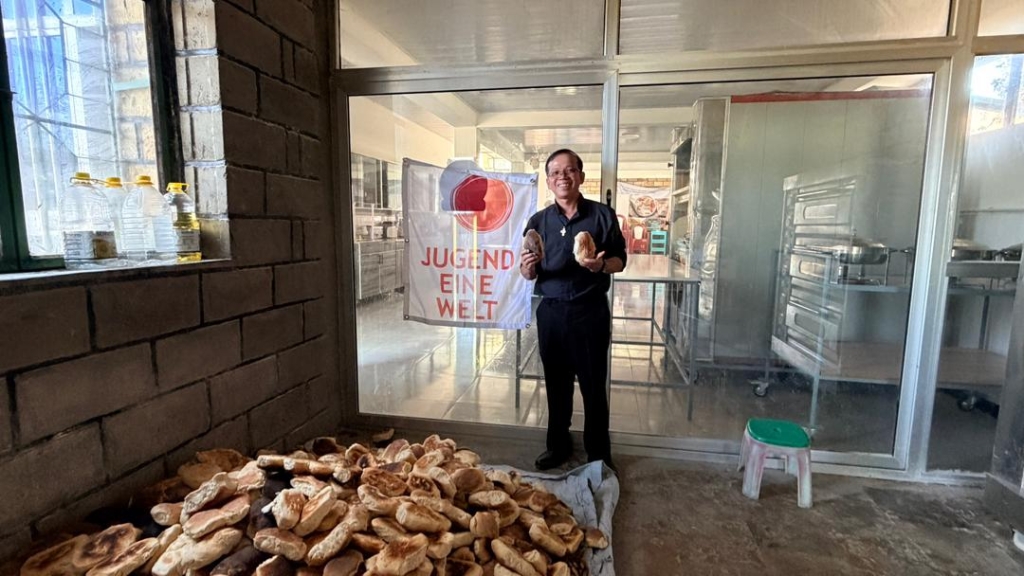
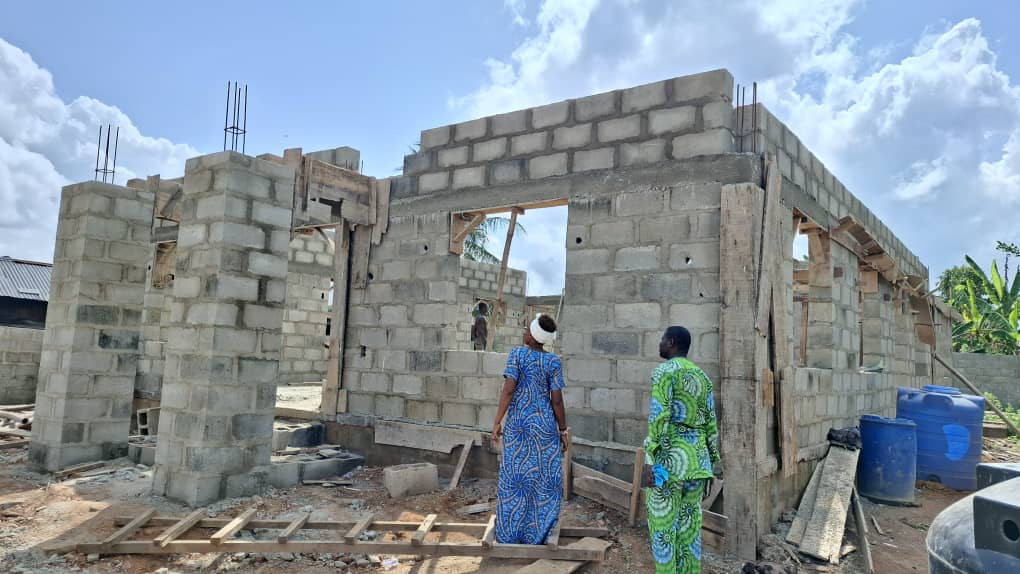
Don Bosco Center in Adwa, Ethiopia, bakes 3,000 loaves of bread every day to feed displaced children.
At the Don Bosco Center in Adwa, Ethiopia*, 3,000 loaves of bread are baked every day and distributed mainly to children affected by hunger. This is one of the many ways that Salesians continue to support people still facing challenges in the Tigray region of the country.
More than three and a half years after the official end of the civil war in Tigray, the political and economic situation in the region remains extremely fragile. Tensions between regional and federal actors, ongoing insecurity, and weakened economic structures continue. The local community, together with around 1 million internally displaced persons, still depends heavily on external assistance. Many families continue to face an uncertain future.
The situation is particularly dramatic in the camps for those who have been internally displaced. Many people are still living in provisional shelters. Schools that should normally serve as places of learning are being used as emergency accommodation. Families live in extremely cramped conditions, often separated only by hanging blankets or sheets. Many people are gradually losing hope for a better future.
“Without external support, it would be very difficult to guarantee regular assistance,” explained Father Trinh Kinh Luan, a Salesian in the region. “This support allows us to immediately purchase the flour we urgently need to continue baking and distributing bread. In this way, hungry children and mothers in the refugee camps can receive food every day. This help is not only financial. It is also a profound sign of hope and solidarity.”
LEBANON
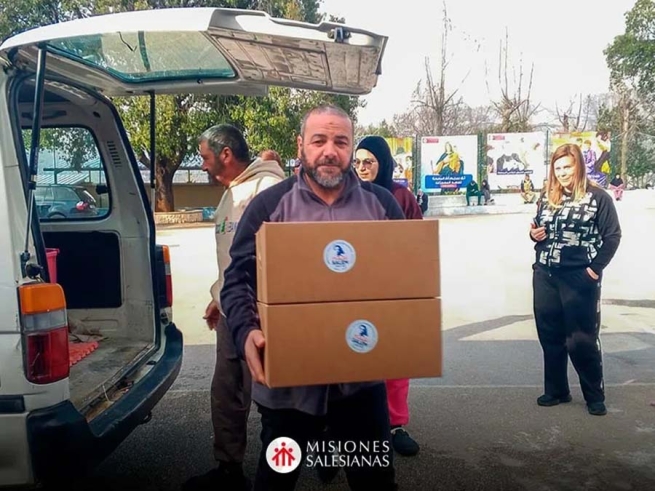
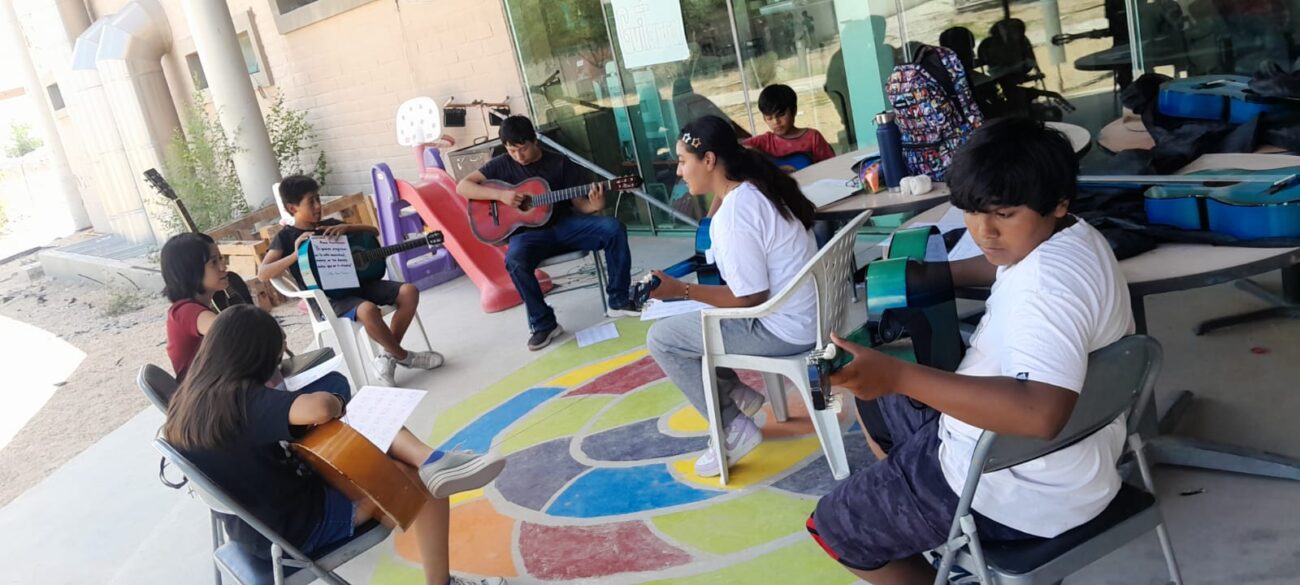
Salesians are responding with food, shelter and education for displaced families in Lebanon.
Salesian missionaries are responding with aid and shelter for families that have been impacted by the conflict in the Middle East. Lebanon* is facing a severe humanitarian crisis. Over 1 million people have been displaced, thousands have been killed and the population is becoming increasingly vulnerable. Salesian houses are supporting education, shelter, and psychological care for children and families.
Lucian, a 15-year-old Iraqi refugee who has been welcomed by Salesian missionaries, said, “The explosions are very intense. I can barely sleep at night, especially when the sirens go off.” Another youth Florina said, “We live each day in fear, wondering what will happen next.”
The conflict has interrupted education, limiting access to the internet, eliminating safe spaces for study and creating deep demotivation. One Salesian student said, “Sometimes I feel that all my efforts may be lost.” Many of these youth are already refugees who had fled previous conflicts. This current situation is reactivating or worsening past traumas.
Faced with widespread insecurity, Salesian centers have had to adapt. Centers such as Angels of Peace in Beirut suspended in-person classes and implemented daily online education systems, combined with psychosocial support. They are maintaining an educational routine as an essential tool to protect youth from the psychological impact of war.
“This digital classroom is the only refuge they have left,” explained a teacher. Centers have also strengthened emergency measures, including evacuation plans, crisis teams, daily security monitoring and communication systems with families. However, some centers have had to suspend educational activities entirely to provide shelter, leaving youth without schooling for weeks.
MALI
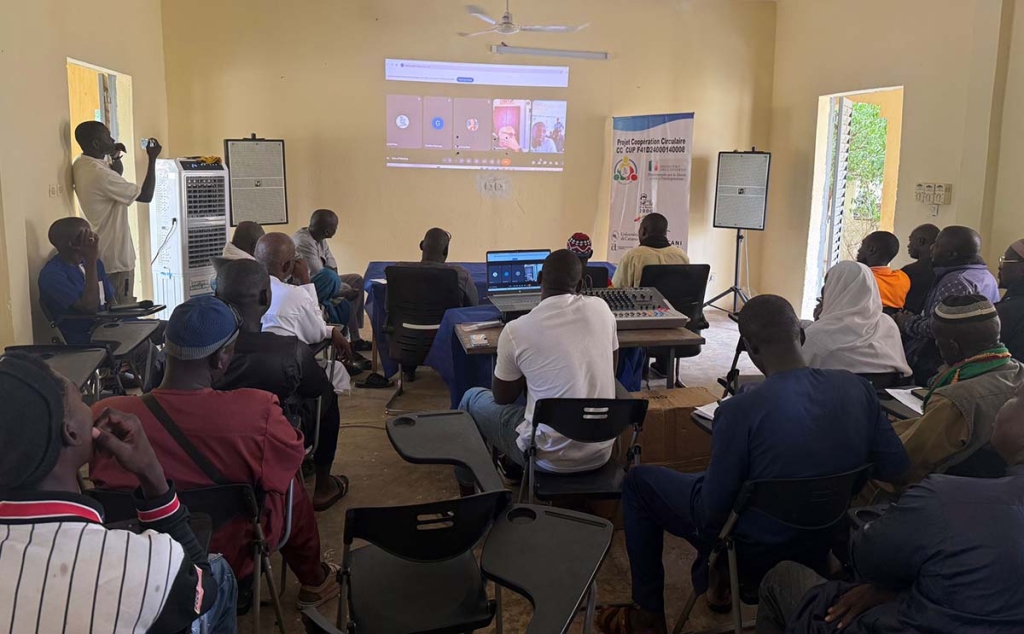
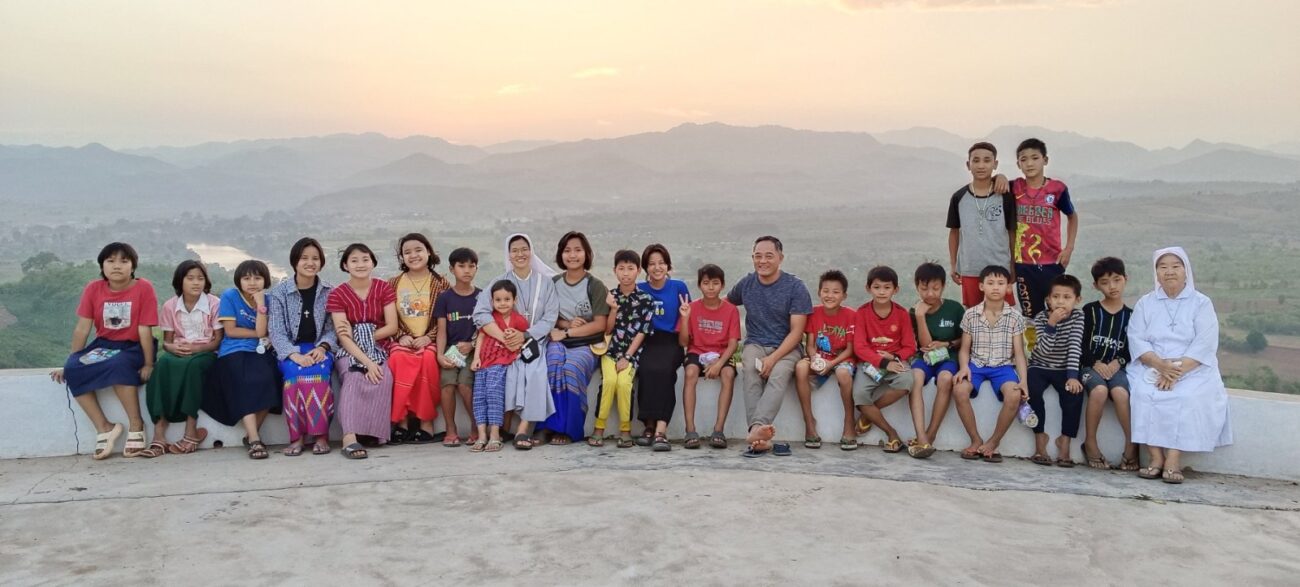
A Don Bosco training project in Mali helps migrants returning to their home communities.
Don Bosco 2000 Association has started its second phase of a training project for migrants returning to Africa from Italy. The initiative, one of the few still operational in the area, has recently started training 150 people, with 60% of them women, for agricultural and commercial cooperatives. Aly Traoré, a migrant who has returned to Mali* as a bridge between Italy and Africa, is leading the training.
An event, coordinated by the Treccani Foundation, launched the project with an international video call with mayors, village chiefs and local leaders. The project’s circular cooperation model, based on the skills of migrants trained in Italy and who have returned to their countries, represents how training can advance people living in difficult circumstances. The project is financed by the Italian Ministry of the Interior.
“Many youth leave the region for a better life elsewhere,” said a Salesian. “We want to ensure that they are able to either have the skills and training they need to remain in their communities or have support after they return home with new skills. This project is ensuring that those trained elsewhere, like in Italy, are able to come back and put their skills to work. We want people to be employed and contributing members of their families and communities.”
SOUTH SUDAN
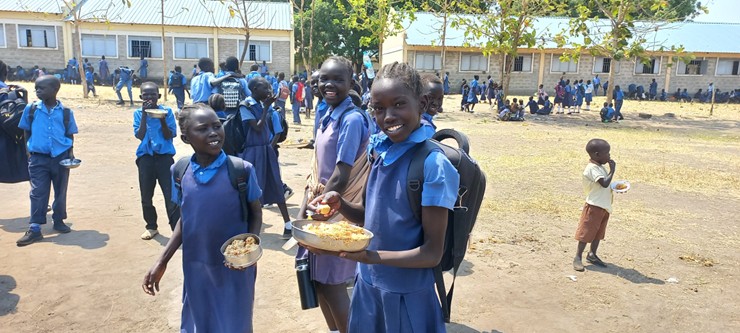
More than 20,000 people in South Sudan, including people who are internally displaced, received better nutrition through a partnership between Rise Against Hunger and Salesian Missions.
More than 20,000 people, who are part of the Don Bosco Mission in South Sudan*, had access to better nutrition through two shipments that arrived in the first quarter of 2026. The food shipment was the result of a partnership between Salesian Missions and Rise Against Hunger.
The Don Bosco Mission supports primary schools with about 7,000 children, three secondary schools accommodating around 1,800 students and approximately 5,900 internally displaced persons living in the Don Bosco Camp. The mission also includes five parishes where many vulnerable and low-income families reside. The fortified rice meals played a crucial role in addressing immediate food needs, especially among children, students, displaced families, and the poorest members of the surrounding community.
Among the recipients are those internally displaced with the Don Bosco Mission Juba, students with Don Bosco Mission Maridi, vocational students with Don Bosco Mission Wau and Don Bosco Mission Kuajok, children living on the streets and neighborhood families with Don Bosco Mission Tonj, and students in primary and secondary school as well as parishioners with Don Bosco Mission Morobo. The rice is being utilized for daily school feedings, a monthly ration for those displaced living in the Don Bosco Camp in Gumbo, Juba, and as timely support for poor families in the parish and neighborhoods.
One of those supported is Sunday, who lives in the Don Bosco Camp. She noted that every day is a struggle to find food and a sense of safety. She said, “Some days we would only eat once, and sometimes not even a single meal. Our parents and guardians worried constantly about how to find food as many donors had pulled out of supporting us, therefore many of us relied on irregular support, and when supplies ran out, it created tension and fear in the community.”
Sunday added, “When the rice finally arrived and was distributed, it made a real difference. For a time, families didn’t have to worry as much about their next meal. In my own home, we are able to eat regularly, and this has brought a sense of relief and dignity.”
###
Sources:
ETHIOPIA: Don Bosco Center in Adwa bakes 3,000 loaves of bread to feed displaced children/ANS Photo (usage permissions and guidelines must be requested from ANS)
LEBANON: Salesians respond with food, shelter and education for displaced families/ANS Photo (usage permissions and guidelines must be requested from ANS)
MALI: Training project helps migrants returning to their home communities/ANS Photo (usage permissions and guidelines must be requested from ANS)
SOUTH SUDAN: More than 20,000 people receive better nutrition through partnership between Rise Against Hunger and Salesian Missions/Photo courtesy of Salesian Missions (contact for usage permissions)
*Any goods, services, or funds provided by Salesian Missions to programs located in this country were administered in compliance with applicable laws and regulations, including sanctions administered by the U.S. Department of Treasury’s Office of Foreign Asset Control.