LEBANON: Salesians respond with food, shelter and education for displaced families
Salesian centers adapt to maintain educational routines for youth
(MissionNewswire) Salesian missionaries are responding with aid and shelter for families that have been impacted by the escalating conflict in the Middle East. Lebanon* is facing a severe humanitarian crisis. Over 1 million people have been displaced, thousands have been killed and the population is becoming increasingly vulnerable. Salesian houses are supporting education, shelter, and psychological care for children and families.
Lucian, a 15-year-old Iraqi refugee who has been welcomed by Salesian missionaries, said, “The explosions are very intense. I can barely sleep at night, especially when the sirens go off.” Another youth, Florina said, “We live each day in fear, wondering what will happen next.”
The war has interrupted education, limiting access to the internet, eliminating safe spaces for study and creating deep demotivation. One Salesian student said, “Sometimes I feel that all my efforts may be lost.” Many of these youth are already refugees who had fled previous conflicts. This current situation is reactivating or worsening past traumas.
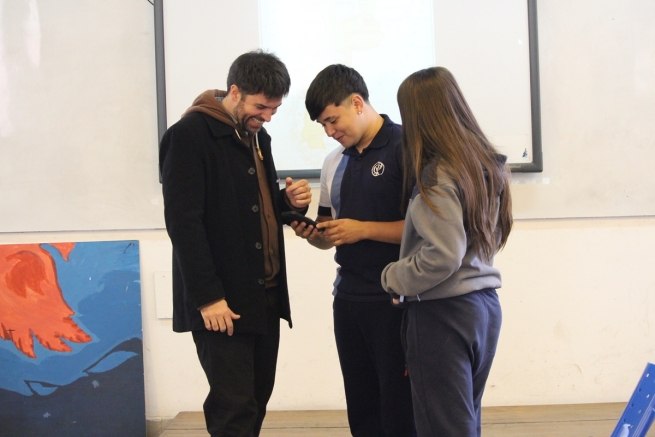
Faced with widespread insecurity, Salesian centers have had to adapt. Centers such as Angels of Peace in Beirut suspended in-person classes and implemented daily online education systems, combined with psychosocial support. They are maintaining an educational routine as an essential tool to protect youth from the psychological impact of war.
“This digital classroom is the only refuge they have left,” explained a teacher. Centers have also strengthened emergency measures, including evacuation plans, crisis teams, daily security monitoring and communication systems with families. However, some centers have had to suspend educational activities entirely to provide shelter, leaving youth without schooling for weeks.
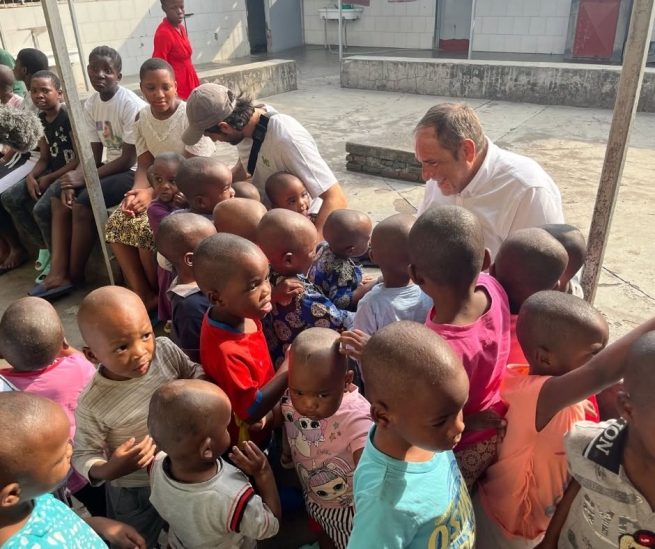
Salesians are also welcoming people who are displaced. In El Houssoun, dozens of internally displaced people are being sheltered at the Salesian center, including families with newborns and the elderly whose homes have been damaged by bombings. The number of hosted families has remained stable since the beginning of the conflict, as the center cannot accept new arrivals despite receiving requests almost daily. The massive influx has placed significant pressure on already impoverished communities, with many families opening their homes and sharing scarce resources.
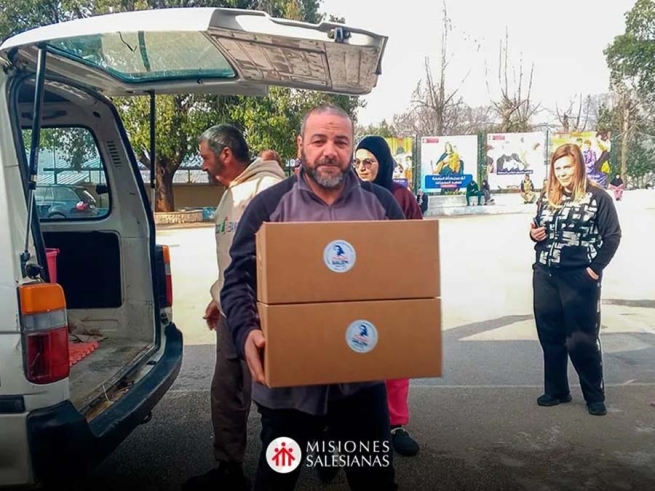
Every day, at least one hot meal is provided, along with basic food supplies, hygiene products, health care, heating, and support for the hosted families. Most of the hosted families belong to the Shiite community, adding complexity in a deeply fragmented social and political context. The Salesian community insists that their response must not be shaped by divisions, but by the urgent need to protect people. “We are living a constant struggle between our humanity and fear,” explains a worker who has welcomed another family into her home.
The situation in Lebanon, and across the Middle East, continues to deteriorate. Increasing displacement, destruction of homes and the inability of many families to return highlight a prolonged crisis. Salesians continue to provide food, shelter, education, and psychological support to thousands of people, especially for youth.
Salesians in the Middle East continue to welcome all in need. They said, “We do not act based on political divisions, but on a deeper conviction: that love must prevail over fear, unity over division and peace over violence.”
###
Sources:
ANS Photo (usage permissions and guidelines must be requested from ANS) via Misiones Salesianas
ANS – Middle East – The Salesian Network: A Refuge for Displaced People One Month After the Start of War
World Bank – Lebanon
*Any goods, services, or funds provided by Salesian Missions to programs located in this country were administered in compliance with applicable laws and regulations, including sanctions administered by the U.S. Department of Treasury’s Office of Foreign Asset Control.