PERU: Salesian missionaries have funding to improve Salesian education center thanks to donor funding from Salesian Missions
Funding ensures continuity of technical educational services for youth

PERU
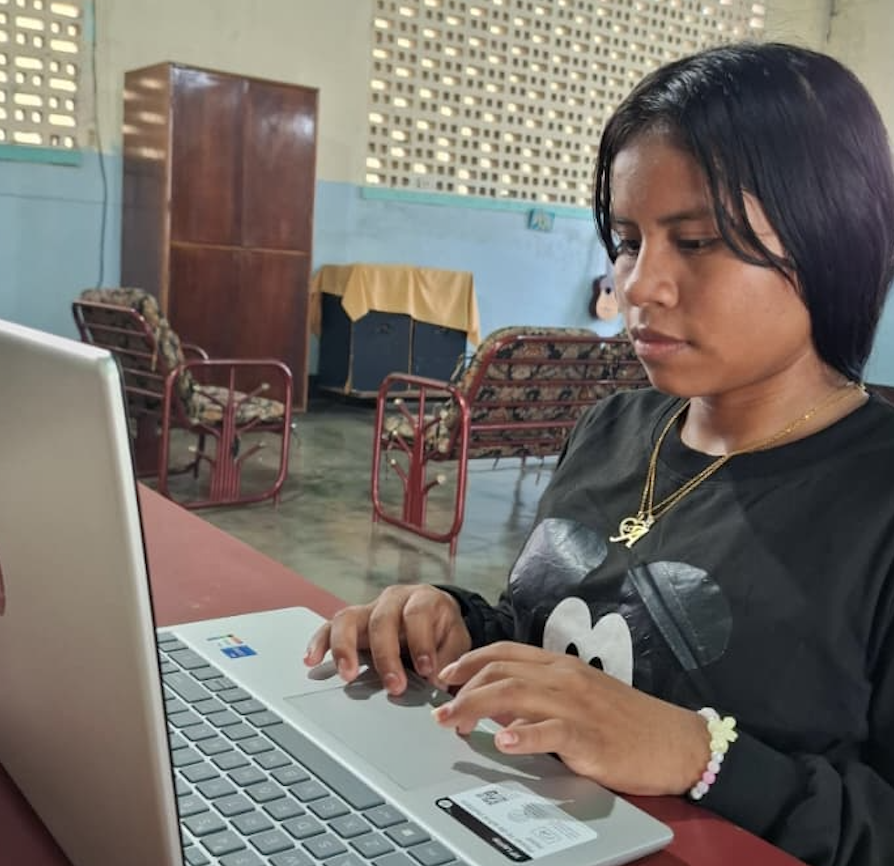
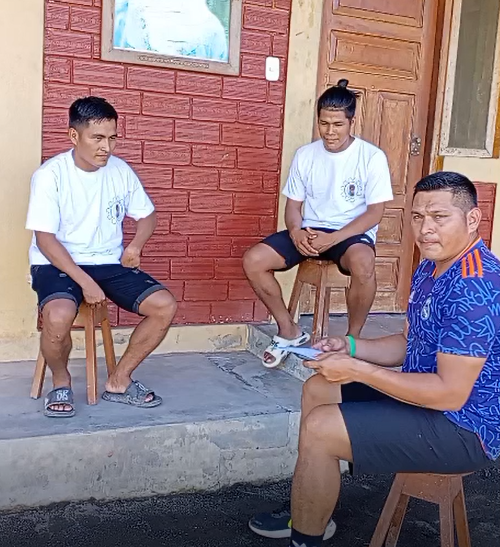
(MissionNewswire) Salesian missionaries had donor funding to strengthen technical training for vulnerable Indigenous youth living in Datem del Marañón, one of the eight provinces in the Loreto region of Peru. The funding from Salesian Missions, the U.S. development arm of the Salesians of Don Bosco, provided for new energy infrastructure and technical, personal, and community capacities at the Salesian Intercultural Technical-Productive Education Center (CETPRO Salesiano P. Luis Bolla).
The funding ensured the continuity of technical educational services provided to youth, who are part of seven Amazonian ethnic groups. Nearly 90 students aged 17-25 were impacted by the donation. The families and home communities of the students also benefited, as they will be able to replicate the technical, agricultural, and organizational knowledge acquired during the training program.
Implementation focused primarily on the comprehensive renovation of the training center’s photovoltaic system, which had suffered significant deterioration due to years of continuous operation. These measures successfully restored a stable supply of electrical power, enabling the operation of the technical workshops, classrooms, student dormitory and other ancillary services.
One of the students, Victor Isaac Chupi Pérez, said, “Since arriving at CETPRO, I have felt at ease because it feels like a home — a place where we study, and where we are provided with meals, dormitory accommodations, and a study hall — something that other educational institutions do not offer. Here, we live side-by-side with peers from diverse ethnic backgrounds, and we feel a sense of joy. Furthermore, every afternoon we receive instruction in religious life, which helps guide our personal growth as we look toward our future.”
Pérez is studying agriculture and livestock management. He noted that before the project, students were unable to study at night because of the lack of electricity. Instead, they had to wake up early in the morning to attend to chores and complete the assignments from by their teachers.
He added, “The project has successfully eliminated all the barriers that previously hindered our ability to receive a fully resourced education. Today, we have access to power and lighting, allowing us to work at any time even late at night. We can now utilize appliances such as stoves and refrigerators, including freezers for food storage, which has proven to be an immense help to us all. We are deeply grateful to everyone who helped make this possible.”
Peru faces high levels of income inequality and has more than a quarter of its population living in poverty, according to the World Bank. Poverty levels are significantly higher in rural areas but urban areas struggle most with inequality, most notably metropolitan Lima. Poverty in the country is made worse by a shortage of productive farmland and a lack of job skills among women entering the workforce, as well as a lack of adequate housing, nutrition and education.
###
Sources:
Photo courtesy of Salesian Missions (contact for usage permissions)
Salesian Missions – Peru
World Bank – Peru