WORLD FOOD DAY: Salesian Missions highlights programs that nourish students
Programs include agriculture activities, feeding youth
(MissionNewswire) Salesian Missions, the U.S. development arm of the Salesians of Don Bosco, joins the international community and organizations around the globe in honoring World Food Day. Celebrated each year on Oct. 16, the day was established to bring attention to the plight of people in the world who are hungry and undernourished while providing an opportunity for a deeper understanding of the complex solutions for ending hunger.
This year’s theme of “Innovate today. Nourish tomorrow.” highlights innovation that is transforming how food is produced, stored, transported and marketed. The Food and Agriculture Organization of the United Nations (FAO) has noted, “It brings together advances in science and technology with the knowledge, experience and ingenuity of farmers, fishers, herders and foresters — including women, youth and Indigenous Peoples — as well as investors, policymakers and entrepreneurs, because transforming our agrifood systems requires collective action.”
The organization further indicated, “Ending hunger is within reach. The world already produces enough food to nourish everyone, yet 645 million people still face hunger, and 2.69 billion cannot afford a healthy diet. As conflict, economic instability and climate shocks put pressure on agrifood systems, the challenge is how to ensure access to reliable, affordable and nutritious food for people everywhere.”
Father Michael Conway, director of Salesian Missions, said, “Salesian Missions is working to ensure youth who are poor and vulnerable have the nutrition they need to grow and learn effectively. A hungry child is not focused on their education. Salesians offer feeding programs, but its schools also offer training in green farming techniques, teaching youth how to grow their own food for their families, communities and commerce.”
To mark World Food Day 2026, Salesian Missions is proud to highlight agriculture projects and feeding programs to ensure youth have the nutrition they need to survive and thrive.
BURUNDI
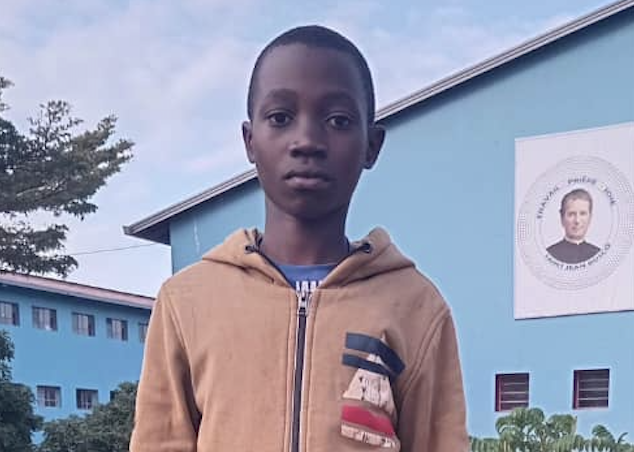
Students at Don Bosco High School in Burundi received Rise Against Hunger meals through a partnership with Salesian Missions.
More than 950 students attending Don Bosco High School in Ngozi, Burundi*, had access to better nutrition during the first half of 2025 as a result of a partnership between Salesian Missions and Rise Against Hunger.
Students at the school often come from families who are poor and do not have the means to pay school fees or provide lunch. The economy in Ngozi is primarily agricultural, such as growing coffee, cassava, tea, and beans, or raising cattle for the local markets. Other industries in the region include processing tea and mining tin.
The feeding program created positive changes at the school. Students had more energy and were better engaged with their studies. They were also involved in various sporting and cultural activities organized during this time.
One of the recipients was Lucky Alpha Nduwimana. He is the oldest of three children and both his parents are primary school teachers. At home, they normally eat two meals a day, although sometimes they can only afford one. Since joining the Don Bosco High School and receiving Rise Against Hunger meals three times a day, Nduwimana says he feels much better. He enjoys eating meals with his friends, and they often play sports after since they are full of energy.
TIMOR-LESTE
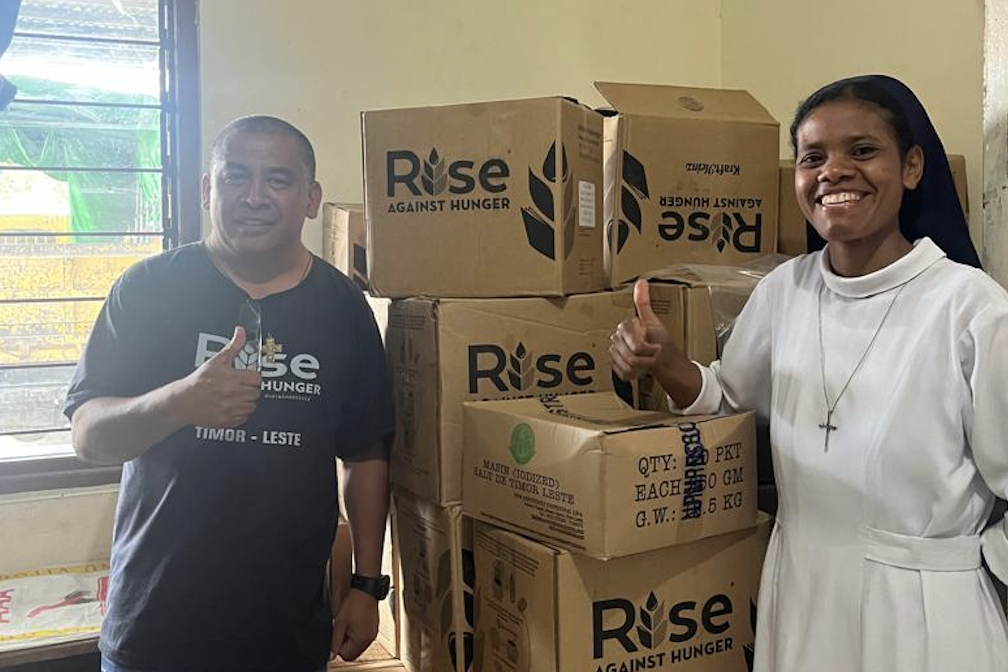
Schools, centers and orphanages in Timor-Leste received food to provide nutrition to 1,766 youth around the country.
Youth attending Salesian schools, orphanages and youth centers in Timor-Leste had access to better nutrition through a partnership between Salesian Missions and Rise Against Hunger. In the first half of 2025, Rise Against Hunger meals fed 1,766 youth across 24 centers around the country.
Dircia, a 17-year-old woman, lives at the Franciscan Sister’s Youth Center and Boarding House in Tibar in the Liquica District. Liquica is a coastal and mountainous municipality in the northern part of Timor-Leste, with a population of 75,000. The local economy is based on agriculture with coffee, red bananas, cassava and livestock as key products. Farmers face challenges in accessing markets due to poor infrastructure and terrible roads.
Dircia had nine siblings, with two passing away when they were children due to malnutrition. Her mother passed away after delivering Dircia’s youngest brother. The siblings were sent to different youth centers and orphanages. She and her siblings all have experienced better nutrition through Rise Against Hunger meals.
Dircia is thankful for the Rise Against Hunger meals and said that they have taught her about taking care of others’ well-being first. She promises to study hard because she wants a good job in the future to improve her life and be of service to others.
VENEZUELA
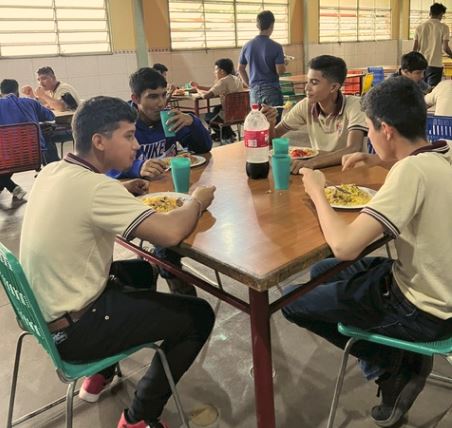
Feeding programs at Salesian San Jose Agricultural Technical School in Venezuela were funded by Salesian Missions.
Students and educators at Salesian San Jose Agricultural Technical School, located in Barinas, Venezuela*, received nutritional support through a project funded by Salesian Missions. During the nine months of the project, 64,584 meals were served, providing three meals a day to 96 boarding students who are training to become agricultural technicians. In addition, 50 educators at the school received lunches as an incentive for their work.
The project has been fundamental in helping the school increase its enrollment from 82 to 95 students. Most of these students come from families with low incomes. Education provides a way for students to improve their future and offers them a better quality of life. For many students, this education also gives them the opportunity to revive their families’ agricultural production activities.
The school grounds cover 1,880 hectares with a solid infrastructure, numerous pastures and 12 production units. These areas cover crops, nurseries, vegetable gardens, fruit trees, dairy farming, and cheese production, as well as the production of poultry, pigs, sheep, goats, cattle and rabbits. As a result of efforts and alliances made through cooperation agreements, project initiatives, and coordination with the private sector, some production units are in the process of reactivating production after years of being shut down due to the chronic crisis in Venezuela.
ZAMBIA
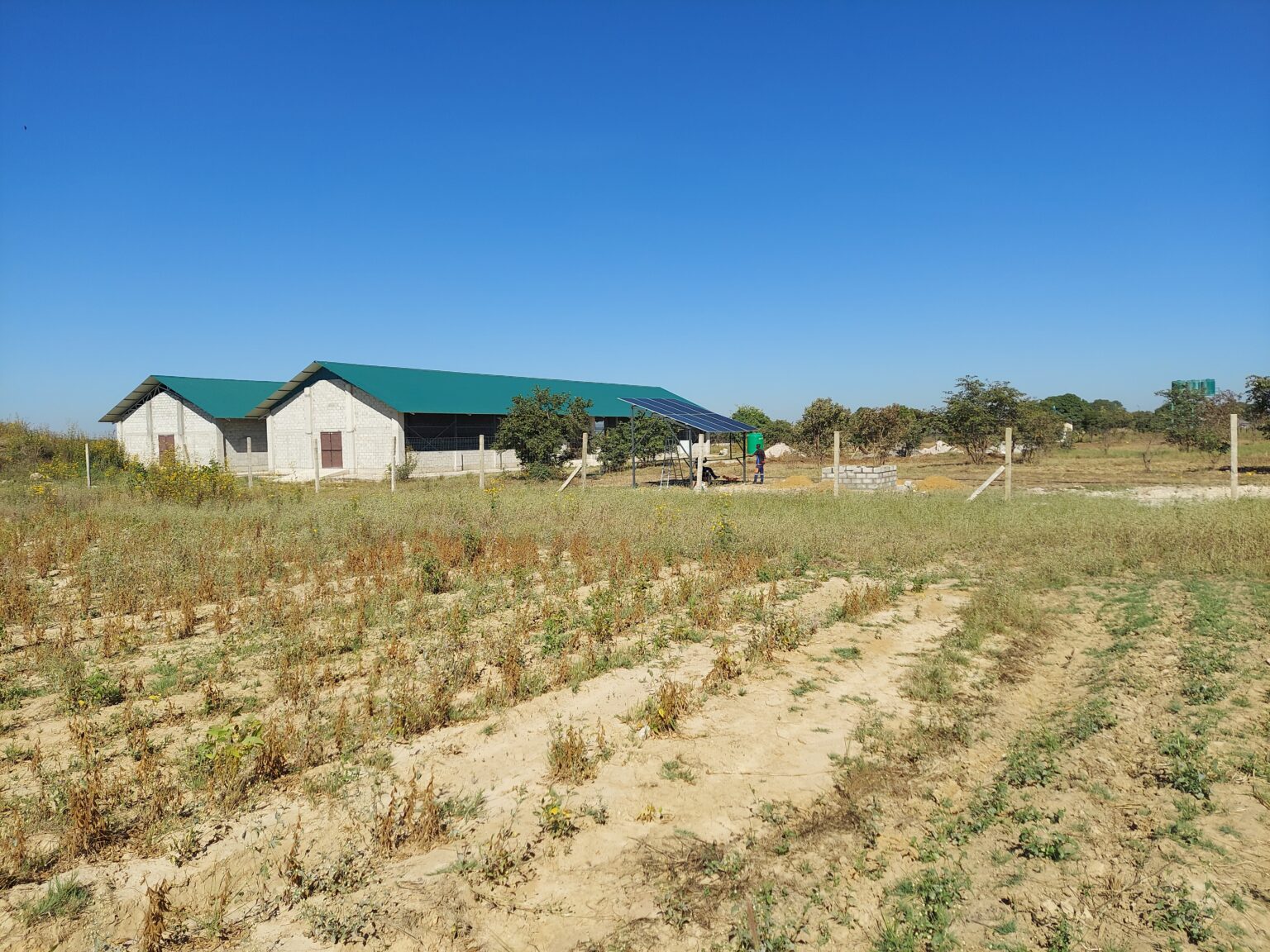
Don Bosco Makululu in Zambia has further developed its farm with donor funding from Salesian Missions.
Don Bosco Makululu, located in the city of Kabwe, Zambia, has developed an integrated farm thanks in part to donor funding from Salesian Missions. The farm is benefiting the boys who live at the Don Bosco Children’s Home, as well as youth in Salesian primary and secondary schools and the local population. Close to 1,500 youth will have access to food from the farm.
The project of setting up the farm included fencing the land and the construction of two poultry shelters for 2,750 chickens, a duck shelter, two staff houses, and bathroom facilities for the farm. Funding was also used to purchase equipment, livestock, and feed for the animals, as well as a truck, tractor, and trailer. Salesians also set up an orchard and vegetable garden.
Finally, the project funded drilling two boreholes with water tanks and installation of a solar power system for security lights and freezers and refrigerators for food preservation.
The project was completed at the end of June 2026 and is fully functional. The chickens provide about 1,400 eggs a day, the garden provides fresh vegetables and the orchard will provide fresh fruits as soon as the trees grow.
A Salesian explained, “This project is a part of an integrated farm, and we already have a piggery with about 150 pigs. We produce our own sausages and provide meat for the children. We have 11 fish ponds that provide fresh fish. We are also about to complete the shelter for goats. In addition, the farm produces eggs, meat, fish and vegetables that are sold to the local population. The income not only covers the expenses of running the farm, but also funds the Children’s Home.”
###
Sources:
Photos courtesy of Salesian Missions (contact for usage permissions)
ZAMBIA: Don Bosco Makululu further develops farm with donor funding from Salesian Missions
*Any goods, services or funds provided by Salesian Missions to programs located in this country were administered in compliance with applicable laws and regulations, including sanctions administered by the U.S. Department of Treasury’s Office of Foreign Asset Control.