SOUTH SUDAN: More than 5,000 internally displaced people receive better nutrition through partnership between Rise Against Hunger and Salesian Missions
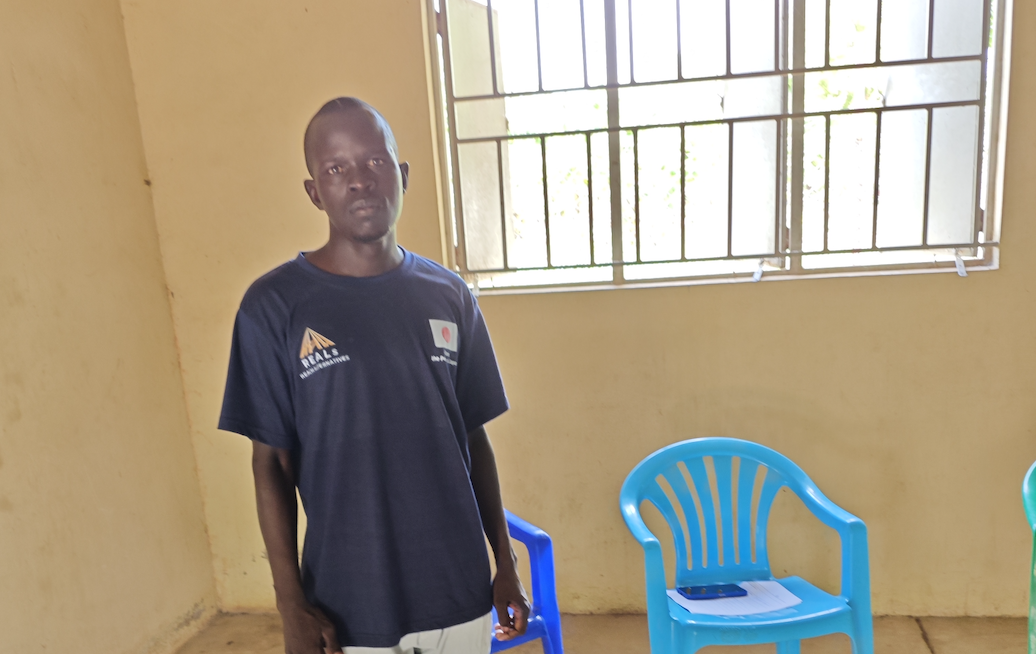
Meals distributed at various locations, including schools

SOUTH SUDAN
(MissionNewswire) More than 5,000 people, most of whom are internally displaced in Gumbo, on the outskirts of the city of Juba, South Sudan*, had access to better nutrition during the first half of 2025. The food shipment was the result of a partnership between Salesian Missions, the U.S. development arm of the Salesians of Don Bosco, and Rise Against Hunger, a nonprofit that helps underserved people worldwide achieve food security and resilience.
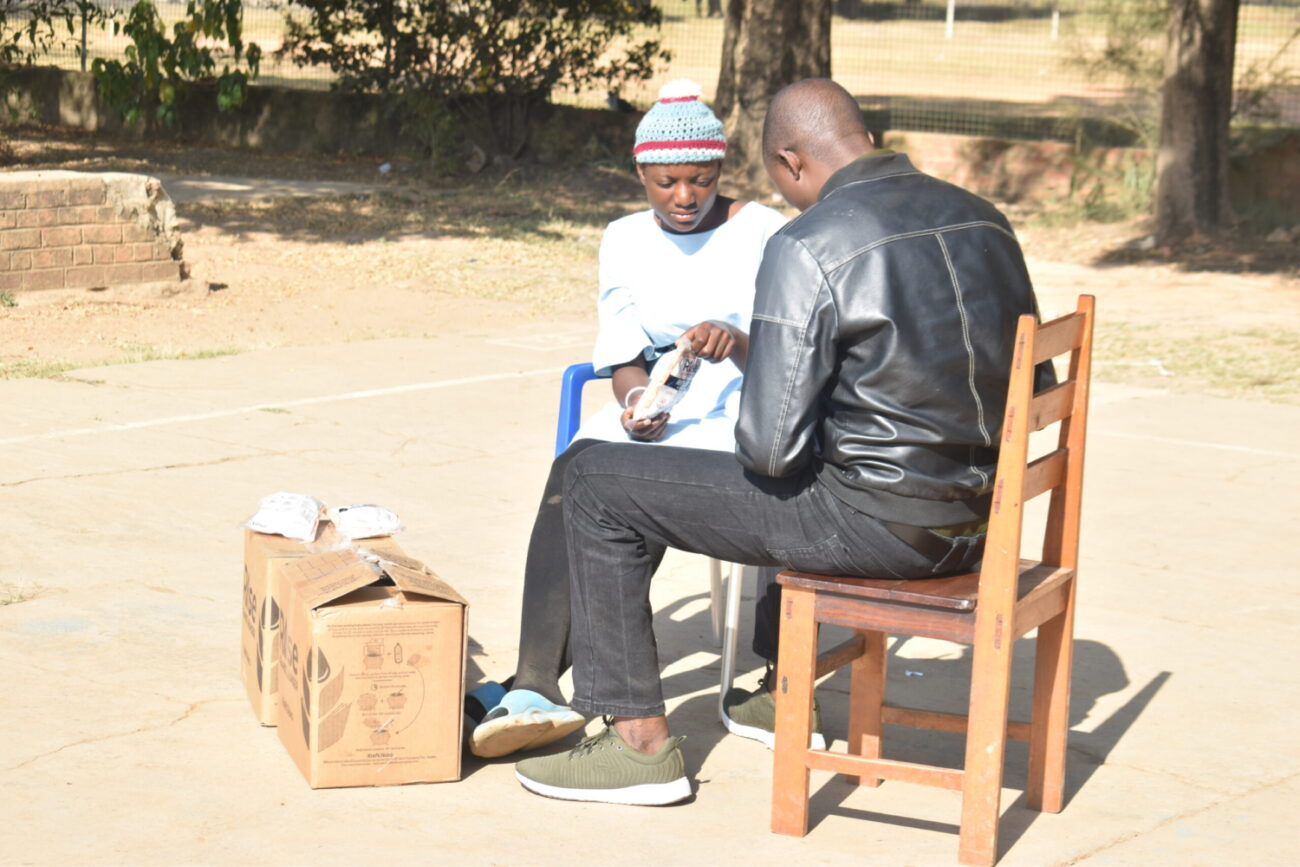
At the Don Bosco Gumbo Camp, Rise Against Hunger meals, which consist of rice, soy, vegetables and a vitamin packet, were distributed to 2,958 people, ensuring that all the families received essential food supplies. Meals were also served at the Don Bosco School, benefiting more than 1,500 students in the regular morning classes and more than 500 in the accelerated learning program in the afternoon. The meals served during their break provided much-needed nourishment to support their learning and well-being.
In Tonj, 180 people who are affected by leprosy also received meals. This outreach emphasized inclusivity and compassion, reaching one of the most marginalized groups in society. Additionally, meals were distributed to refugees in Wau, reinforcing efforts to support displaced communities and uphold their dignity through food assistance.
At the Don Bosco Gumbo Primary School, James is one of the students who received nutritious meals. Before the Rise Against Hunger meals were introduced, his family often managed only one meal per day. He now has breakfast at school and a second meal when he returns home. This improvement in nutrition has helped him and his classmates focus better in class and improve their grades. James dreams of becoming a doctor if he continues to do well in school.
During one school lunch, James said, “Since we’ve been having these meals, I feel stronger and don’t get tired very fast. These meals are my favorite part of my day. I get to eat with my friends and then play afterwards.”
James is deeply grateful for the support and says that one day he hopes to help others just as he has been helped through the meal program. He has observed that the entire school community is happier and more engaged with the consistent meals. Attendance has improved, and more students come to school regularly.
Paul Mutte-Atelio, community leader and teacher, said, “The Rise Against Hunger meals are very good. The students and teachers are happy and appreciative of the support. In the internally displaced persons camp, we have some women who are vulnerable and cannot do much, but with the meals, their life has improved so much, and they are very grateful. Now they help prepare the meals and have found food stability for them and their children.”
Salesian missionaries in South Sudan are dedicated to providing programs and services across the country. Salesian missionaries provide education, social development services, nutrition programs, and health clinics for poor youth and their families. For some, the education offered at Salesian schools is the only opportunity to gain an education and the skills necessary for future employment.
South Sudan gained its independence from Sudan in 2011 but has faced an ongoing civil war that started in December 2013 and continues today. This has resulted in a dire humanitarian crisis. According to the United States Institute of Peace, more than 10 million people have been forced from their homes. The war has also triggered the world’s worst hunger crisis with more than 18 million Sudanese living in acute food insecurity.
###
Sources:
Photo courtesy of Salesian Missions (contact for usage permissions)
Salesian Missions – South Sudan
*Any goods, services or funds provided by Salesian Missions to programs located in this country were administered in compliance with applicable laws and regulations, including sanctions administered by the U.S. Department of Treasury’s Office of Foreign Asset Control.