NIGERIA: Project provides employability training for youth
3 centers celebrate first graduations

NIGERIA
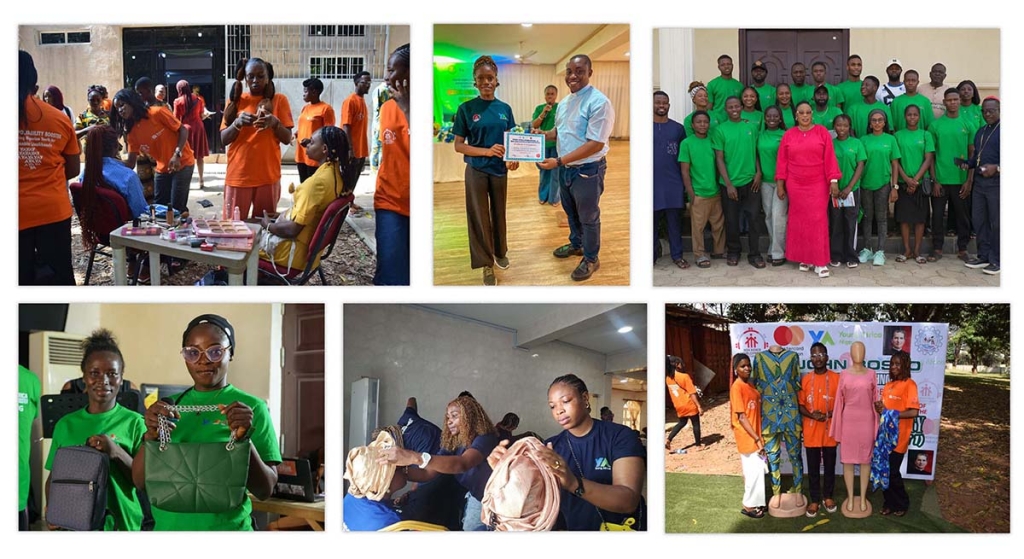
(MissionNewswire) The Youth Employability Booster Project celebrated its first graduation ceremonies across the three Salesian hubs in Nigeria of Abuja, Lagos and Obosi. The project equips Nigerian youth with market‑relevant skills designed to meet the demands of today’s workforce and is supported by the Mastercard Foundation and implemented in collaboration with Young Africa Nigeria.
A Salesian said, “Across the three centers, the graduations represent more than ceremonial achievements. They signify a strategic investment in Nigeria’s youth. Through strong partnerships and a shared vision, the Youth Employability Booster Project continues to foster economic inclusion, resilience and dignity among young Nigerians.”
At the Abuja Center in Kubwa, the first students celebrated the completion of the course. The ceremony was described as a moment of reflection and inspiration, as organizers commended the graduates for their consistency, resilience, and determination.
A Salesian noted, “Speakers emphasized that graduation marks not an end, but a significant step forward in the professional journeys of the young participants. Representatives of partner organizations reaffirmed their shared commitment to empowering Nigerian youth with employable skills.”
The graduation at Lagos Center featured industry engagement. Delivering the keynote address, Mayowa Adanlawo, a business development manager at Wema Bank, encouraged the graduates to embrace financial literacy, entrepreneurship and business growth as critical tools for long-term success. Theresa Amaechi, head of people, culture, and transformation at Workforce Group, shared practical perspectives on workplace culture, adaptability and professional excellence.
In Obosi, 114 participants celebrated their graduation. The mobile training model was widely praised for its transformative impact. By bringing high‑quality vocational education directly into local communities, the initiative has made skills training more accessible, practical, and life‑changing for young people..
About 64% of households in Nigeria consider themselves to be poor while 32% of households say their economic situation had worsened over a period of one year, according to UNICEF. Poverty still remains one of the most critical challenges facing the country and population growth rates have meant a steady increase in the number of people living in conditions of poverty.
###
Sources:
ANS Photo (usage permissions and guidelines must be requested from ANS)
ANS – Nigeria – Youth Employability Booster Project Celebrates Maiden Graduations
Salesian Missions – Nigeria
UNICEF – Nigeria