ETHIOPIA: More than 2,500 families receive nutritional support thanks to partnership between Salesian Missions and Feed My Starving Children
Salesians address immediate humanitarian needs, long-term recovery

ETHIOPIA
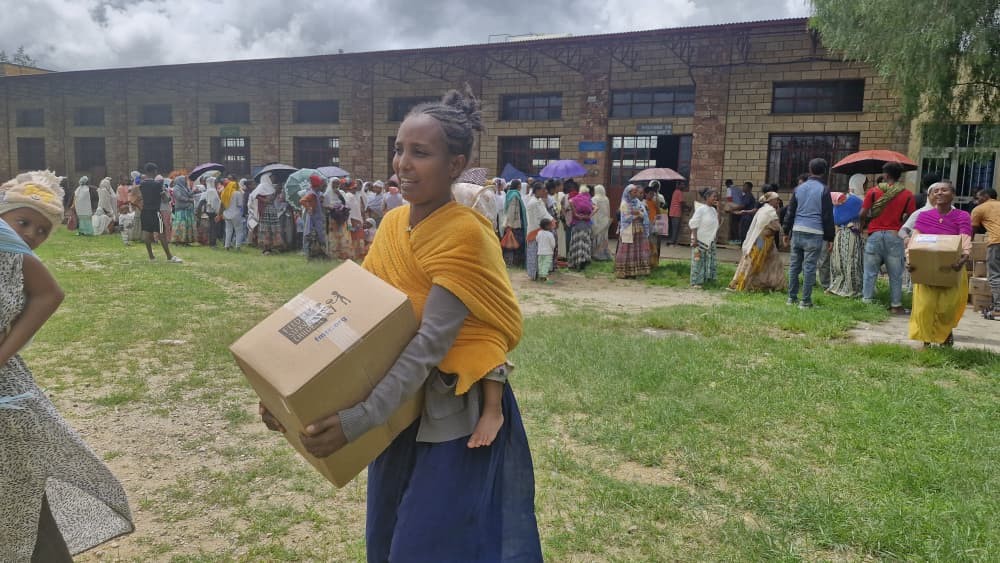
(MissionNewswire) More than 2,500 families across eight communities in Ethiopia* had access to better nutrition thanks to a partnership between Salesian Missions, the U.S. development arm of the Salesians of Don Bosco, and Feed My Starving Children, a nonprofit Christian organization committed to “feeding God’s children hungry in body and spirit.” The families have been impacted by the ongoing strife in the Tigray region of the country.
A Salesian explained, “The war started in November 2020. Until the peace agreement was reached in November 2022, there were active clashes between the federal military and the regional force, and hundreds of thousands of people died on both sides. The food shortage began around November 2020, coinciding with the start of the conflict in Tigray. As the war unfolded, it worsened food access and contributed to the broader humanitarian crisis.”
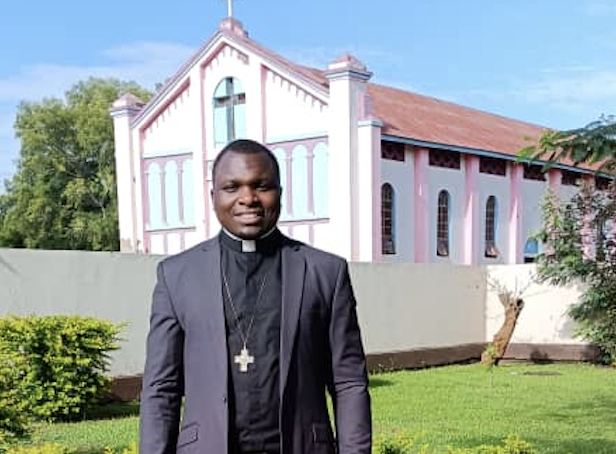
Salesian missionaries have been a crucial lifeline for war-affected people in Tigray, operating primarily through established communities in Mekelle, Adigrat, Adwa and Shire. Salesians address immediate humanitarian needs while also focusing on long-term recovery and resilience.
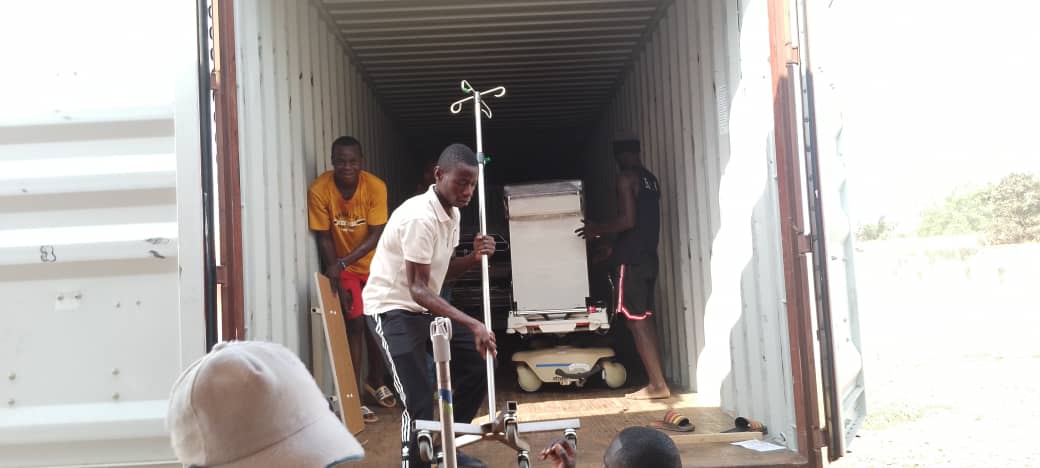
This donation was sent in partnership with Flexport.org, which managed the shipping and funded the shipping costs. Salesian Missions will partner with Flexport.org for additional upcoming humanitarian aid shipments.
Salesians have also organized and distributed food baskets containing essentials like wheat, rice and oil to tens of thousands of internally displaced persons and families facing food shortage-like conditions. They are running programs for the most vulnerable, especially malnourished children, pregnant women and breastfeeding mothers, providing high-nutrient food like fortified flour to combat acute malnutrition. They are also providing non-food items like blankets, mattresses and other items.
With infrastructure broken, Salesians have taken on projects to restore clean water access. They are currently working to repair damaged wells and boreholes in order to provide a more sustainable water source for local communities.
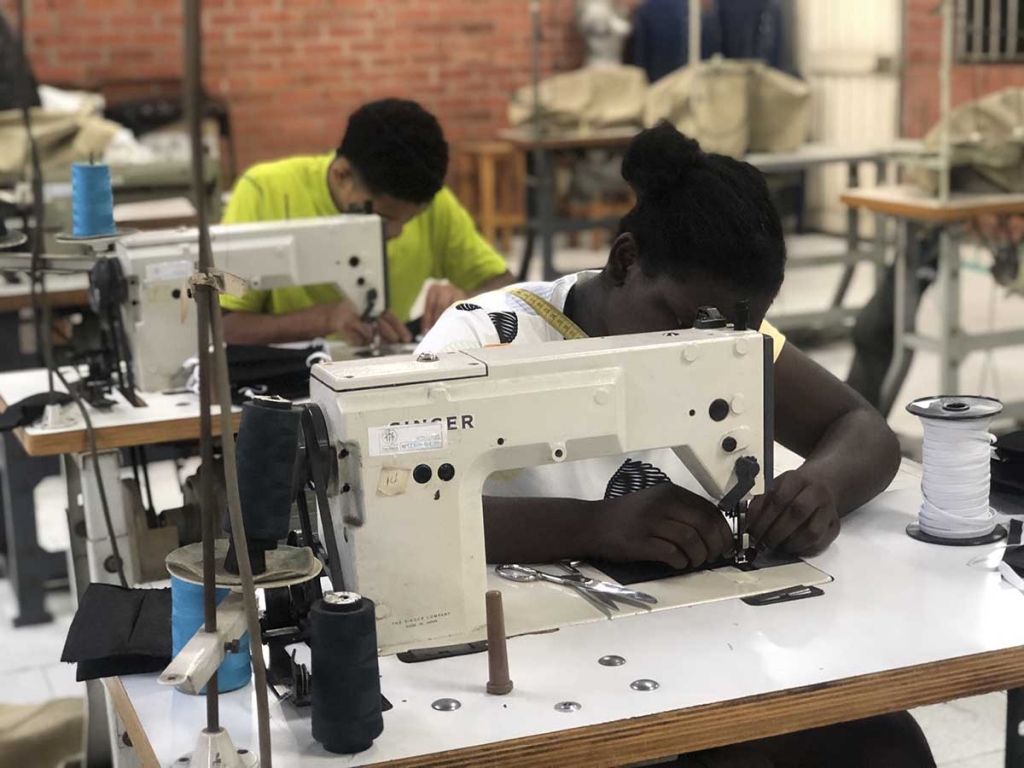
In addition, Salesians are providing education to children and skills training for older youth and adults. A Salesian explained, “Education is at the heart of what we do in these communities. Salesians have been instrumental in getting schools functional again by providing books and pens, repairing damaged classrooms, and paying incentive salaries for teachers who otherwise wouldn’t work. For children who have missed years of schooling, we also provide informal classes for internally displaced people, setting up temporary learning spaces to help them catch up. For older youth and adults, we provide access to skills training with short technical and vocational courses and startup kits to help them generate a small income.”
Salesians were in these communities well before the war started and will be there long after it’s done. The existing trust with the community means that Salesians can often operate when international non-governmental organizations are unable to gain access. This has been critical in assessing nutritional needs and ensuring that food shipments reach people most in need.
###
Sources:
Photo courtesy of Salesian Missions (contact for usage permissions)
Salesian Missions – Ethiopia
UNICEF – Ethiopia
*Any goods, services, or funds provided by Salesian Missions to programs located in this country were administered in compliance with applicable laws and regulations, including sanctions administered by the U.S. Department of Treasury’s Office of Foreign Asset Control.