CATHOLIC WORLD DAY OF THE SICK: Salesian Missions highlights health projects for people in need
Pope marks the day with a special message
(MissionNewswire) Salesian Missions, the U.S. development arm of the Salesians of Don Bosco, joins Catholic organizations around the globe in honoring the Catholic World Day of the Sick. Every year on Feb. 11, the Pope marks the day with a special message calling for spiritual and physical closeness to all those who are ill. Saint John Paul II instituted the day “to encourage the people of God, Catholic health institutions and civil society to be increasingly attentive to the sick and to those who care for them.”
This year’s theme “The compassion of the Samaritan: loving by bearing the pain of the other” centers on the Gospel figure of the Samaritan, who demonstrates love by caring for the suffering man who fell in with robbers. The Vatican noted, “It highlights a key dimension of love for one’s neighbor: love must be expressed through concrete acts of closeness, by taking on the suffering of others — especially those who are ill, and often also vulnerable due to poverty, isolation, or loneliness.”
Salesian missionaries offer more than 150 medical clinics and hospitals in mostly rural areas around the globe that serve a wide range of medical care needs of youth and their families.
Father Michael Conway, director of Salesian Missions, said, “Through hospitals, dispensaries and mobile medical clinics, Salesians are addressing the medical needs of those in often remote areas that have little access to care. Salesians know that while education may be the primary focus, ensuring youth are healthy enables them to attend school and have a better focus on their education.”
On Catholic World Day of the Sick 2026, Salesian Missions is proud to highlight medical and health programs that provide critical supplies and services to those living in poverty.
CENTRAL AFRICAN REPUBLIC
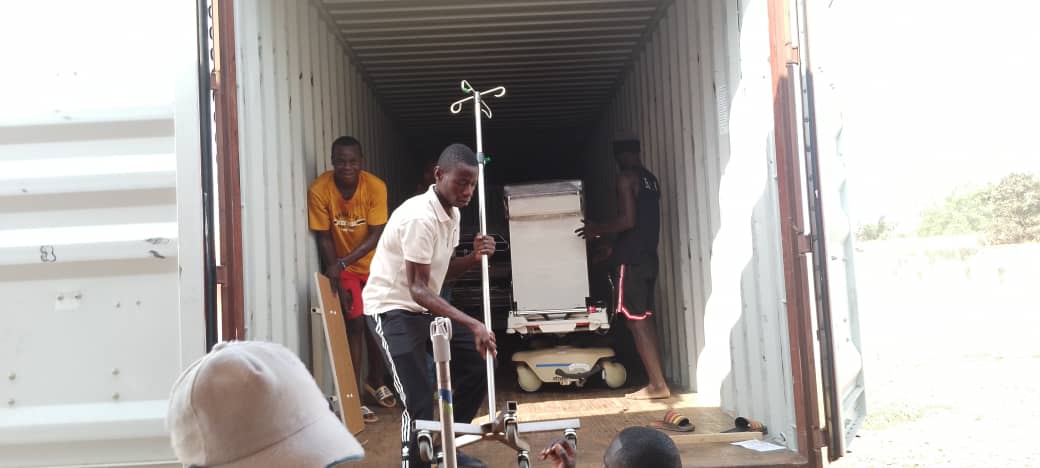
Funding from Salesian Missions helped to ship critical medical supplies for a clinic in Central African Republic.
Salesian missionaries in Bangui, Central African Republic*, had the supplies needed for a medical clinic thanks to a shipment of goods funded in part by Salesian Missions. The shipment was sent by Collaboration Santé Internationale (International Health Collaboration), a Canadian organization focused on responding to the needs of health centers in developing countries.
Funding for the shipment was provided by both Salesian Missions and Don Bosco Foundation Paris. The shipment contained electric hospital beds, neonatal incubators, exam tables, filing cabinets, lab coats, amoxicillin, quinine, first aid supplies and vitamins.
The medical clinic was completed with funding from the French government through Don Bosco Foundation Paris. Don Bosco Foundation Paris requested assistance from Salesian Missions with funding for the shipment and for its extensive experience in shipping humanitarian aid around the globe.
DR CONGO
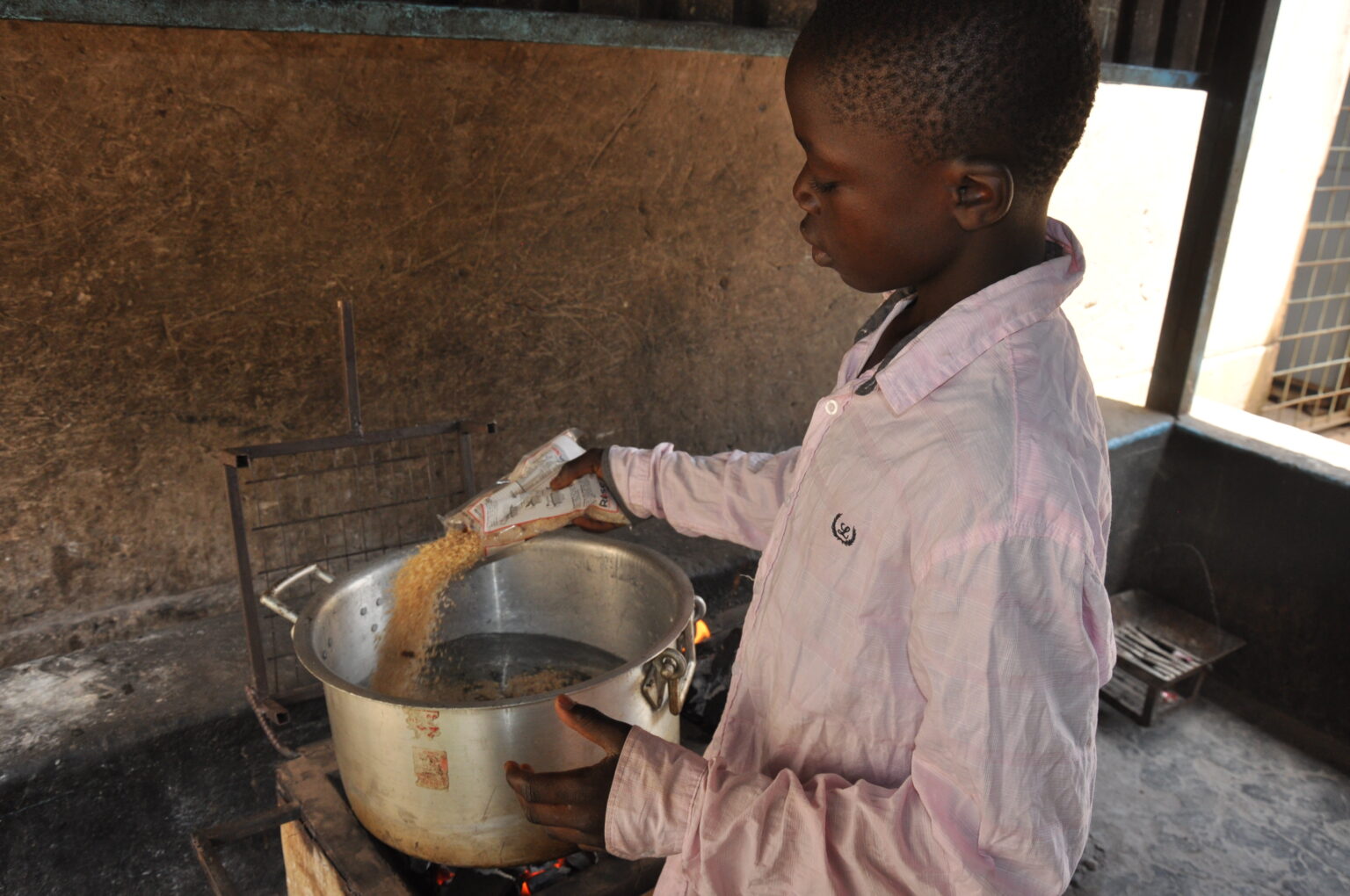
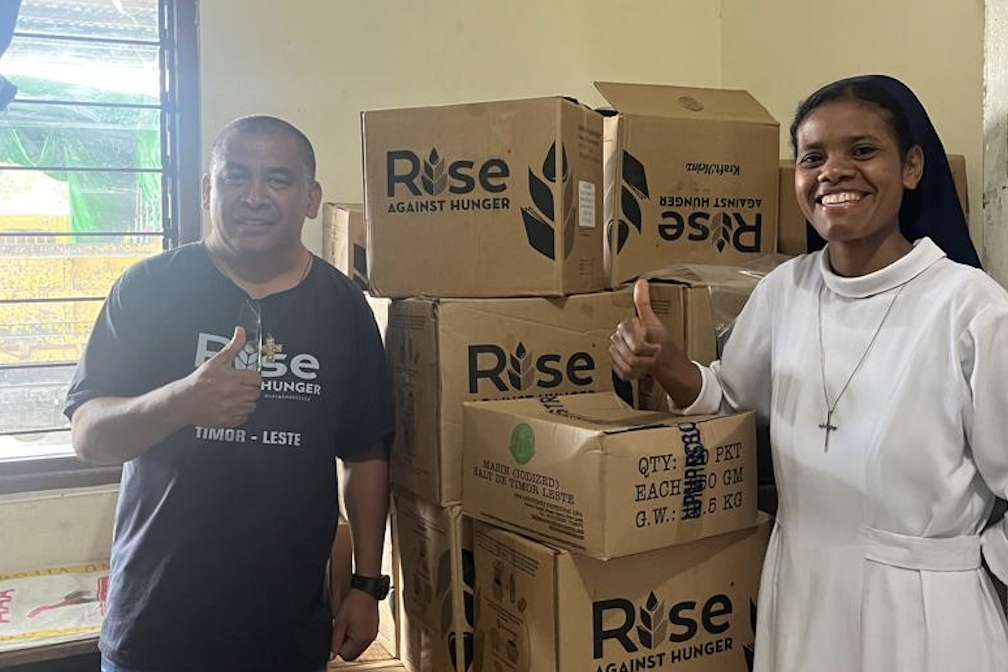
Six programs in the Democratic Republic of the Congo, including a hospital, received healthy meals through Rise Against Hunger’s partnership with Salesian Missions.
Oeuvres Maman Marguerite, a network of Salesian centers located in Lubumbashi, Democratic Republic of the Congo*, received a shipment of nutritious meals through a partnership between Salesian Missions and Rise Against Hunger, a nonprofit that helps underserved people worldwide achieve food security and resilience through nutrition, education and economic empowerment. The shipment provided meals for six programs at a prison, a hospital, orphanages, a hospice for the elderly and training centers. More than 1,200 people were fed as a result of this shipment.
One of the recipients is Mechak Kahozi, aged 14, who is attending the Bakanja Ville Welcome House. Kahozi had lived with his father, stepmother and aunt until he was mistreated at home and took to the streets. He has been living at the Salesian house since 2023. Kahozi is back in school and looking forward to a brighter future. He would like to become a mechanic and have his own garage. He’d also like to be a mentor to children like him.
Kahozi said, “Since I started eating Rise Against Hunger meals, I feel good and healthy. I really enjoy it. It’s important for me because it gives me good health, and we don’t get sick frequently anymore. I like to sit next to everyone I live with when it’s time to eat dinner.”
INDIA
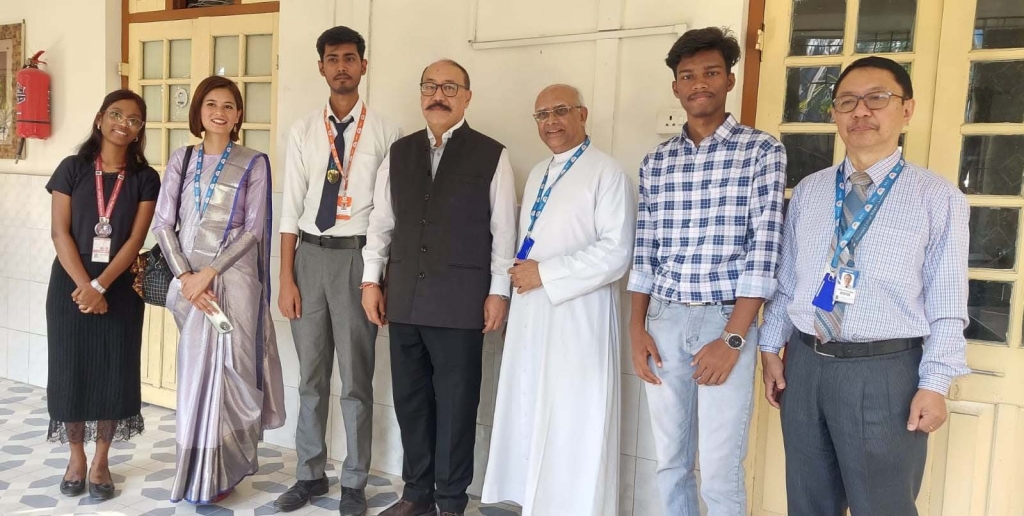
Four students at the Salesian College Siliguri in India created innovative heart attack prediction software.
Four students from the Salesian College Siliguri in India have created innovative heart attack prediction software. At a recent event, the team showcased the technology in a live demo and were encouraged to get a patent for their work.
The software was built from scratch by the first-year bachelor of computer applications students in collaboration with the Radio Club’s tech members. Designed to analyze health data and predict potential risks of cardiac arrest, the project is a major product achievement.
The core development team was led by Anand Kumar and supported by Ronish Minj, Othniel Samuel and Rahul Kumar Sah. Each brought unique strengths to the project, shaping it into a working prototype that blends innovation with compassion.
Kumar explained his vision, “I wanted this project to prove that technology can feel human.” Minj added, “It’s more than a model — it’s our small step toward saving lives.” Samuel reflected, “Innovation in health care should start where compassion meets data.” Sah shared, “Every test run made the system stronger and us more curious.”
VENEZUELA
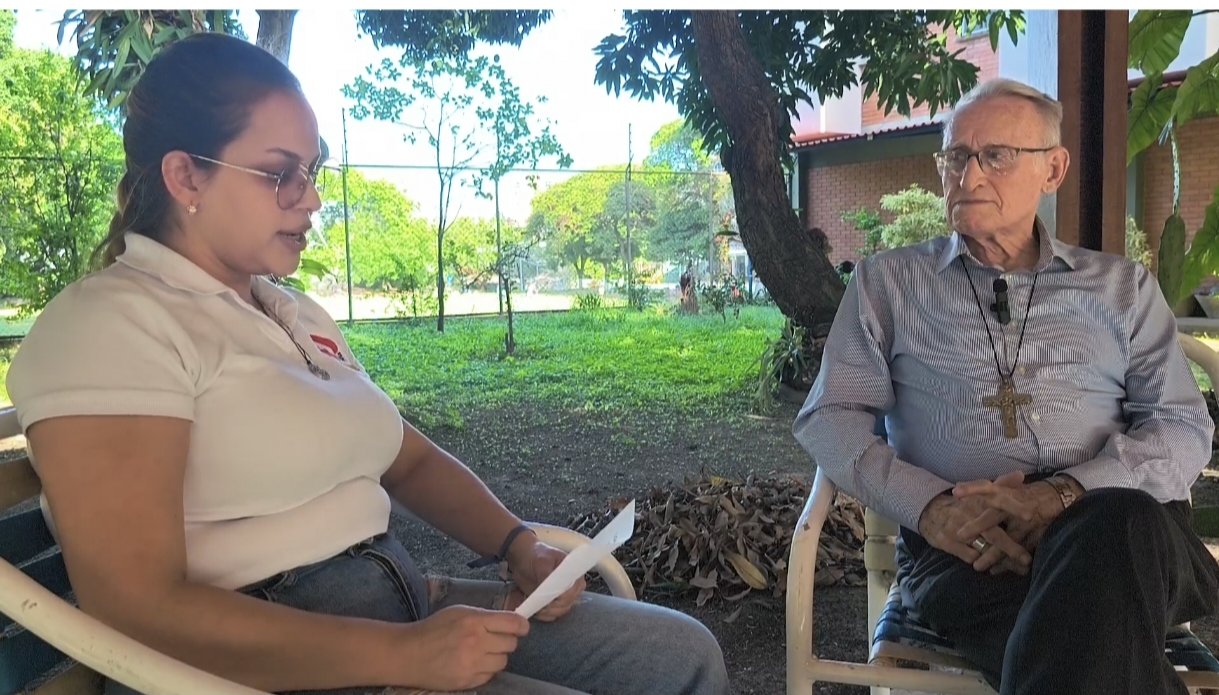
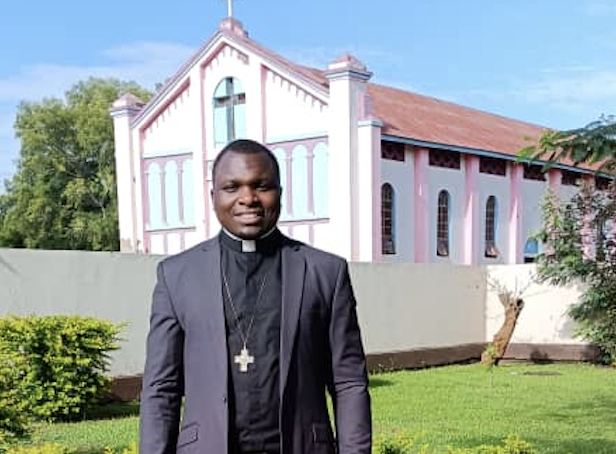
Salesian missionaries in Venezuela have medical insurance coverage thanks in part to donor funding from Salesian Missions.
Salesian missionaries in Venezuela* were able to cover a portion of the Salesian medical insurance thanks to donor funding from Salesian Missions. The insurance coverage includes medical consultations, hospitalizations and necessary procedures for unforeseen health situations for 125 people, including youth in formation, coadjutor Salesians, and Salesian priests.
A Salesian noted, “The support provided allowed us to have secure health services for all Salesians of the San Lucas Province. We were able to have good help which in turn strengthens our pastoral work.”
Salesian missionaries are working in 22 communities throughout the country. Most of these communities are located in areas which have complex social and economic environments. These Salesian communities cannot sustain themselves solely with their own income or with the income from the pastoral care and support services they provide. Funding from donors makes a critical difference in the lives of Salesians and the communities they serve.
Monsignor José Ángel Divasson, bishop emeritus of the Apostolic Vicariate of Puerto Ayacucho, who is currently residing in the Salesian Provincial House of Venezuela, highlighted the shortage and high cost of medicines, a reality that also affects the Salesian community in the country. He expressed gratitude for the support received for the medical insurance for the elderly Salesians, recalling medical treatment he received made possible thanks to this health insurance coverage.
###
Sources:
CENTRAL AFRICAN REPUBLIC: Funding from Salesian Missions helps ship critical medical supplies for clinic/Photo courtesy of Salesian Missions (contact for usage permissions)
DR CONGO: More than 1,200 people receive healthy meals through Rise Against Hunger’s partnership with Salesian Missions/Photo courtesy of Salesian Missions (contact for usage permissions)
INDIA: 4 Salesian college students showcase innovative health technology/ANS Photo (usage permissions and guidelines must be requested from ANS)
Vatican – Showing compassion of the Samaritan, theme for 2026 World Day of the Sick
VENEZUELA: Salesian missionaries have medical insurance coverage thanks in part to donor funding from Salesian Missions/Photo courtesy of Salesian Missions (contact for usage permissions)
*Any goods, services, or funds provided by Salesian Missions to programs located in these countries were administered in compliance with applicable laws and regulations, including sanctions administered by the U.S. Department of Treasury’s Office of Foreign Asset Control.