CATHOLIC WORLD DAY OF THE POOR: Salesian Missions highlights educational and social programs that help people in poverty
Day established by Pope Francis in 2016
(MissionNewswire) Salesian Missions, the U.S. development arm of the Salesians of Don Bosco, joins Catholic organizations around the globe in honoring World Day of the Poor. The day, celebrated on Nov. 15, will be the 10th celebration of the day. This day was established by Pope Francis in 2016 at the end of the Extraordinary Jubilee of Mercy in honor of the poor.
In his address, Pope Leo XIV reflected on God as “the refuge of the poor” and he urged Christians to “rediscover the central place of the poor and examine our commitment to justice, solidarity, and human dignity.”
Pope Leo XIV continued, “The poor of our day are the forgotten and the marginalized: robbed not only of bread, but also of a voice and a face.” He said the Christian community “cannot remain indifferent to the many who today stand at the door but remain invisible to those who are shut within their own walls.”
Nearly 30,000 Salesian priests, brothers, sisters, and novices are working in more than 130 countries around the globe bringing education, workforce development, and social programs to youth and their families. They work in some of the most challenging circumstances and are among the first to respond during humanitarian crises or natural disasters.
“Salesian missionaries serve those who are poor, marginalized and at-risk of social exclusion,” said Father Michael Conway, director of Salesian Missions. “While Salesian missionaries primarily focus on education, they also work to meet needs like shelter, food, medical care and clean water while working to ensure that humanitarian aid reaches those who need it most. These supports ensure that youth have what they need while focusing on their education.”
In honor of the Catholic World Day of the Poor, Salesian Missions highlights social programs that are helping youth meet their basic needs, receive an education and find a path out of poverty.
INDIA
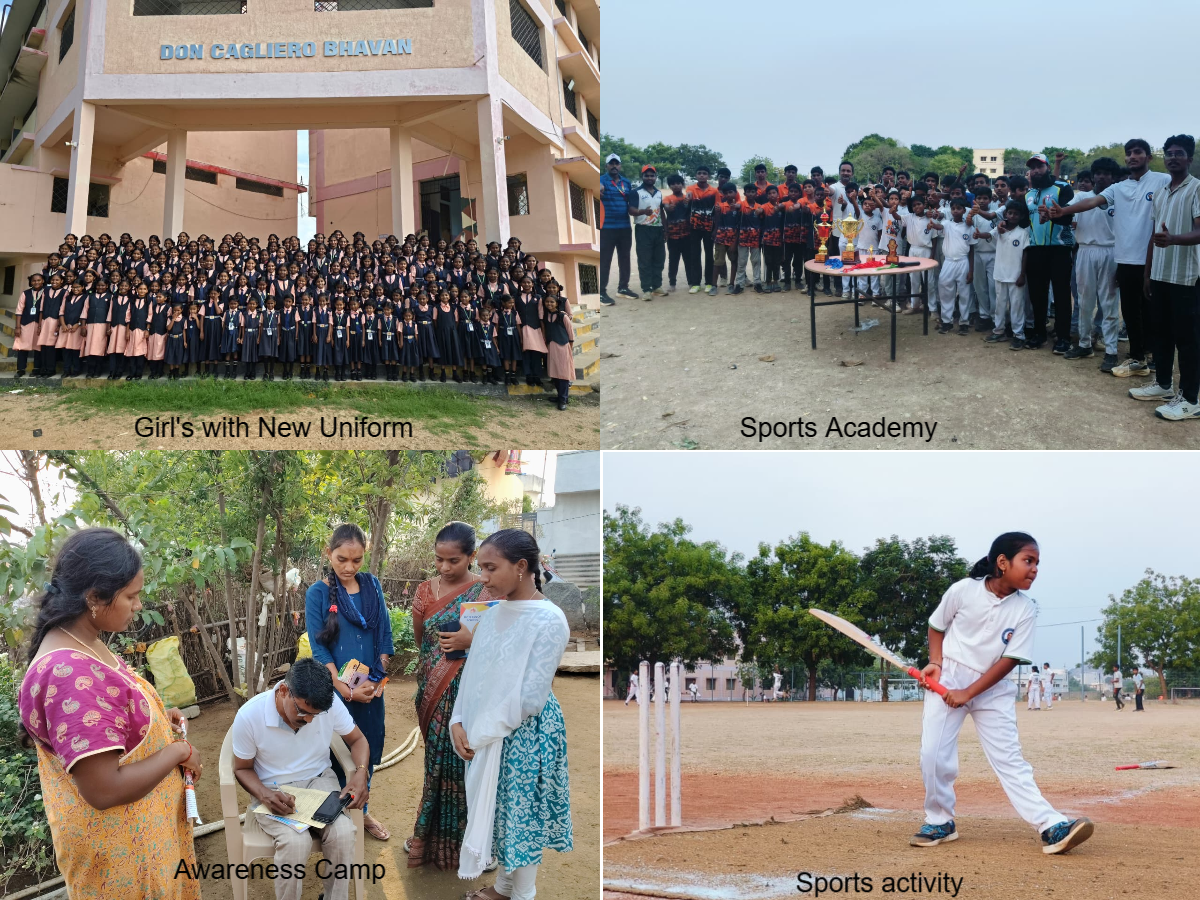
Youth attending Don Bosco Academy in India received education and guidance thanks to donor funding from Salesian Missions.
Salesian missionaries with Don Bosco Academy, located in Nalgonda, a city in Telangana, India, received donor funding to support 525 youth through education and career guidance. The donor funding came from Salesian Missions. The youth supported by the project come from marginalized and economically disadvantaged communities. They are in grades 3 to 12. Some are day students while others live in hostels near the school. The project specifically supported youth who are vulnerable to educational exclusion due to poverty, social marginalization, limited access to quality education and the risk of school dropout, particularly among girls.
Salesians provided remedial classes for 250 students, helping them strengthen foundational learning and reduce academic gaps. Two career guidance sessions were also conducted, benefiting 299 students. These sessions focused on personality development, self-confidence and career planning. In addition, two life skills sessions were organized for students, reaching approximately 380 students and covering topics such as communication, leadership and the use of artificial intelligence (AI) in daily life.
Awareness campaigns were conducted in 38 villages, reaching parents and youth through meetings, door-to-door campaigns, and distribution of educational pamphlets, promoting school enrollment and reducing the risk of dropouts.
The project also focused on sports, and progress was made in establishing the school sports academy. Equipment for general fitness, soccer, volleyball, and indoor games was bought, one coach has been appointed, and regular sports activities have started.
PERU
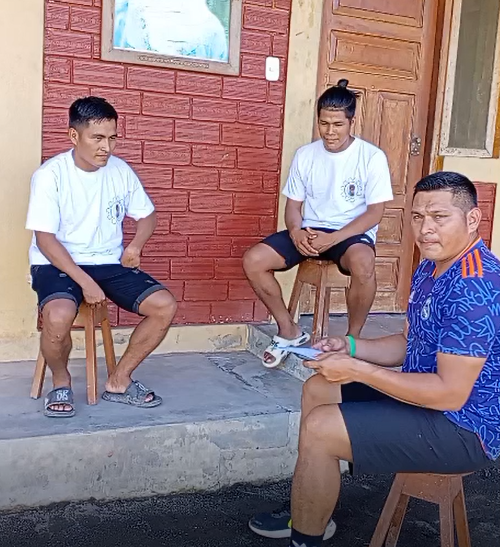
Salesian missionaries in Peru had funding to improve a Salesian education center for Indigenous youth with donor funding from Salesian Missions.
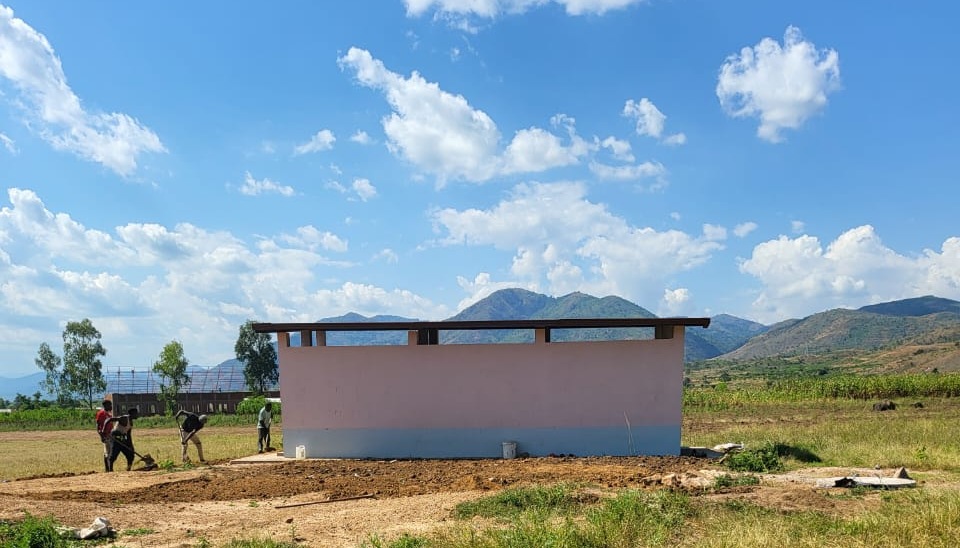
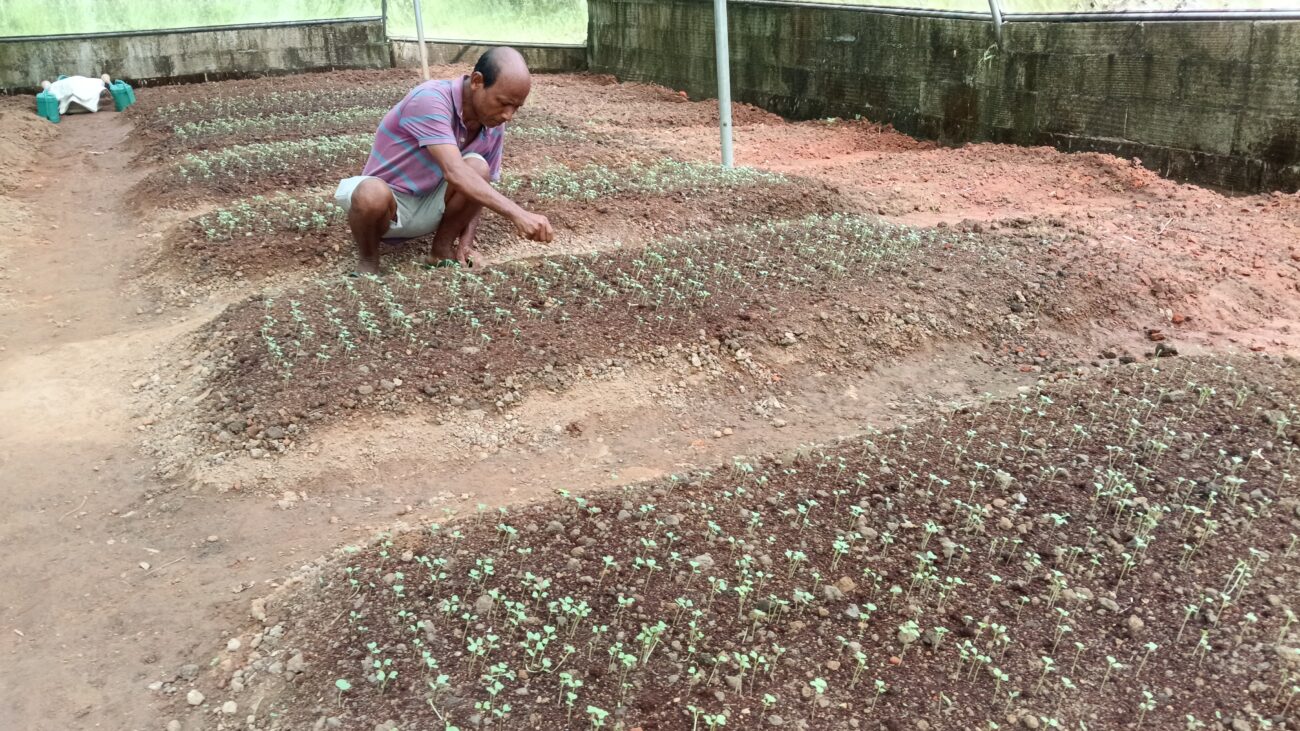
Salesian missionaries had donor funding to strengthen technical training for Indigenous youth living in Datem del Marañón, one of the eight provinces in the Loreto region of Peru. The funding from Salesian Missions provided for new energy infrastructure and technical, personal, and community capacities at the Salesian Intercultural Technical-Productive Education Center (CETPRO Salesiano P. Luis Bolla).
The funding ensured the continuity of technical educational services provided to youth, who are part of seven Amazonian ethnic groups. Nearly 90 students aged 17-25 were impacted by the donation. The families and home communities of the students also benefited, as they will be able to replicate the technical, agricultural, and organizational knowledge acquired during the training program.
Implementation focused primarily on the comprehensive renovation of the training center’s photovoltaic system, which had suffered significant deterioration due to years of continuous operation. These measures successfully restored a stable supply of electrical power, enabling the operation of the technical workshops, classrooms, student dormitory and other ancillary services.
One of the students, Victor Isaac Chupi Pérez, said, “Since arriving at CETPRO, I have felt at ease because it feels like a home — a place where we study, and where we are provided with meals, dormitory accommodations, and a study hall — something that other educational institutions do not offer. Here, we live side-by-side with peers from diverse ethnic backgrounds, and we feel a sense of joy. Furthermore, every afternoon we receive instruction in religious life, which helps guide our personal growth as we look toward our future.”
SOUTH SUDAN
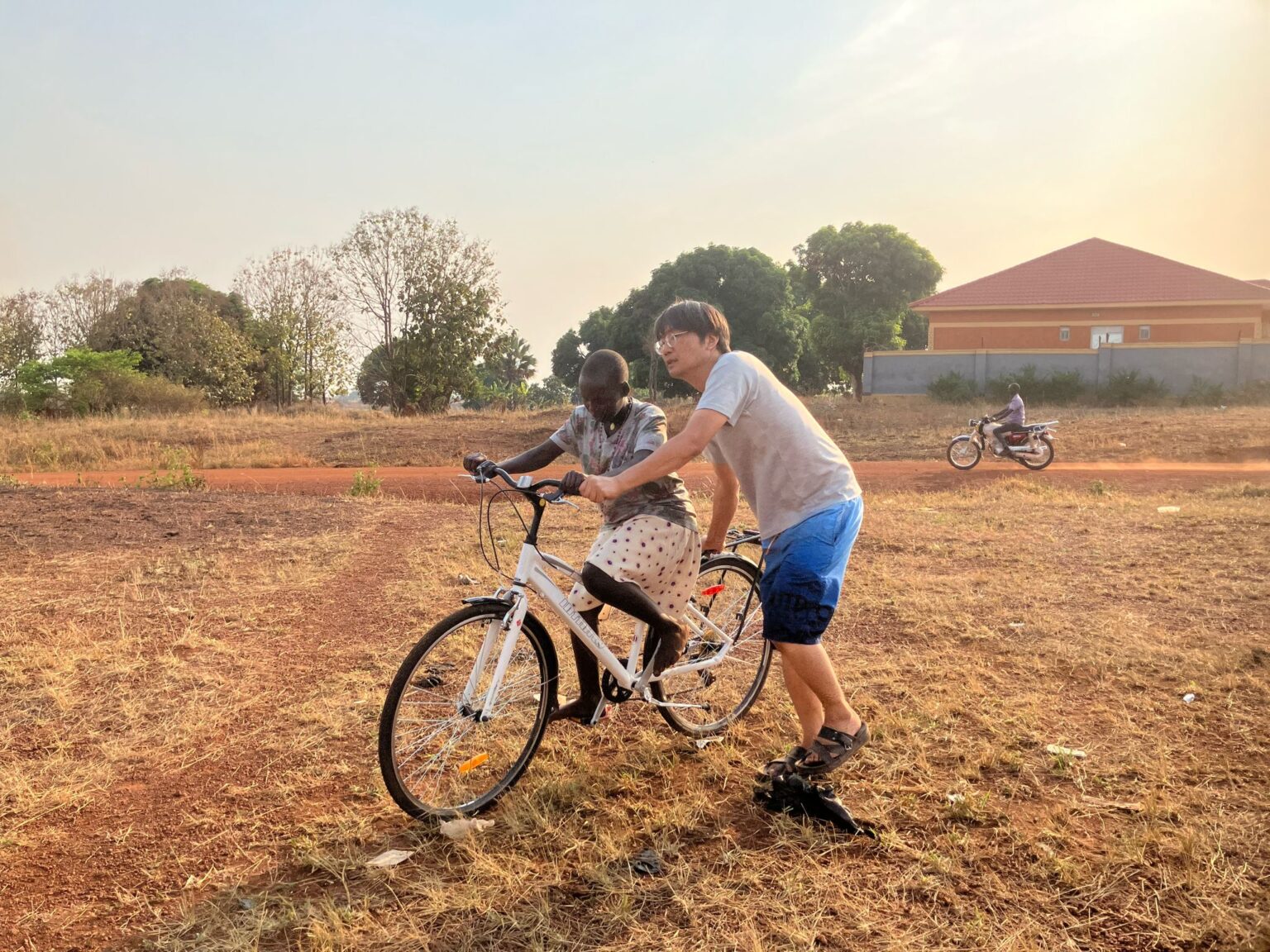
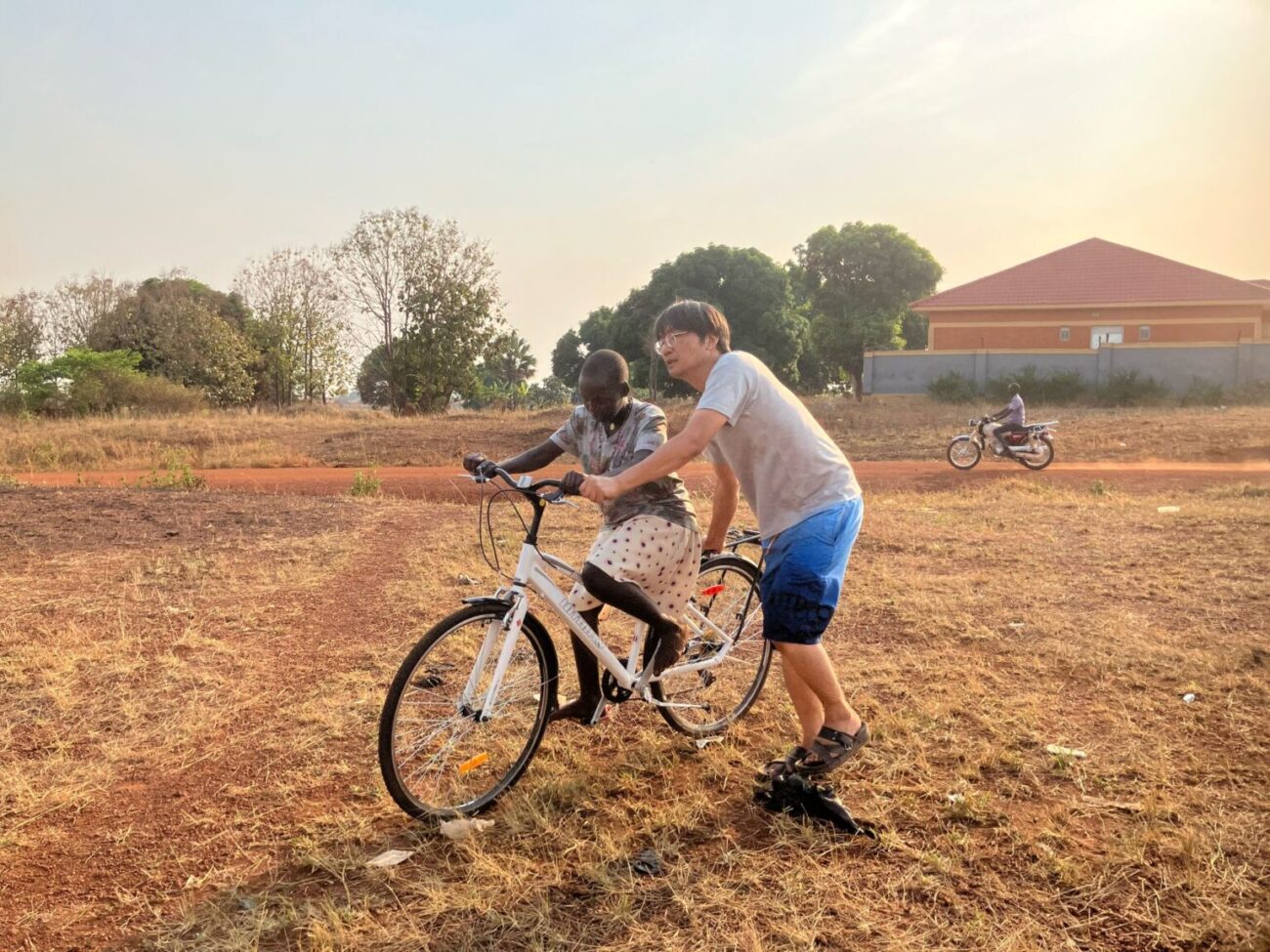
Don Bosco Mission in South Sudan received a shipment of goods, including bicycles, through partnerships with Salesian Missions.
Salesian missionaries with the Don Bosco Mission in South Sudan* received a shipment of essential goods thanks to partnerships facilitated through Salesian Missions. The shipment included books, bicycles, mattresses, clothing and water bottles. Sanitizing wipes were provided by Feed the Children. Flexport.org helped facilitate several additional items.
This collaborative effort is helping to improve daily living conditions and support the health, education and well-being of students in primary, secondary and vocational education. Salesian teachers, security staff, and parishioners in Salesian parishes in Morobo, Maridi, Tonj, Gumbo, Wau and Kuajok, were also among those who received the donation.
One of the recipients was Jane, who is a teacher at Don Bosco Primary School in Gumbo. She said, “Life in our community can be very difficult, especially when it comes to having basic things like clean water and something safe to carry it in. Before I received the water bottle, I used to bring water to school in an old plastic container that would heat up with the weather. Sometimes I would not be able to drink the water as it would become very hot, and I would feel very thirsty during lessons. It made it hard to concentrate, especially under the hot sun. The day we received the water bottles was very special to me. I remember holding mine tightly and feeling proud because it was new and strong. I didn’t have to worry anymore about my water getting warm within minutes during my lessons.”
ZAMBIA
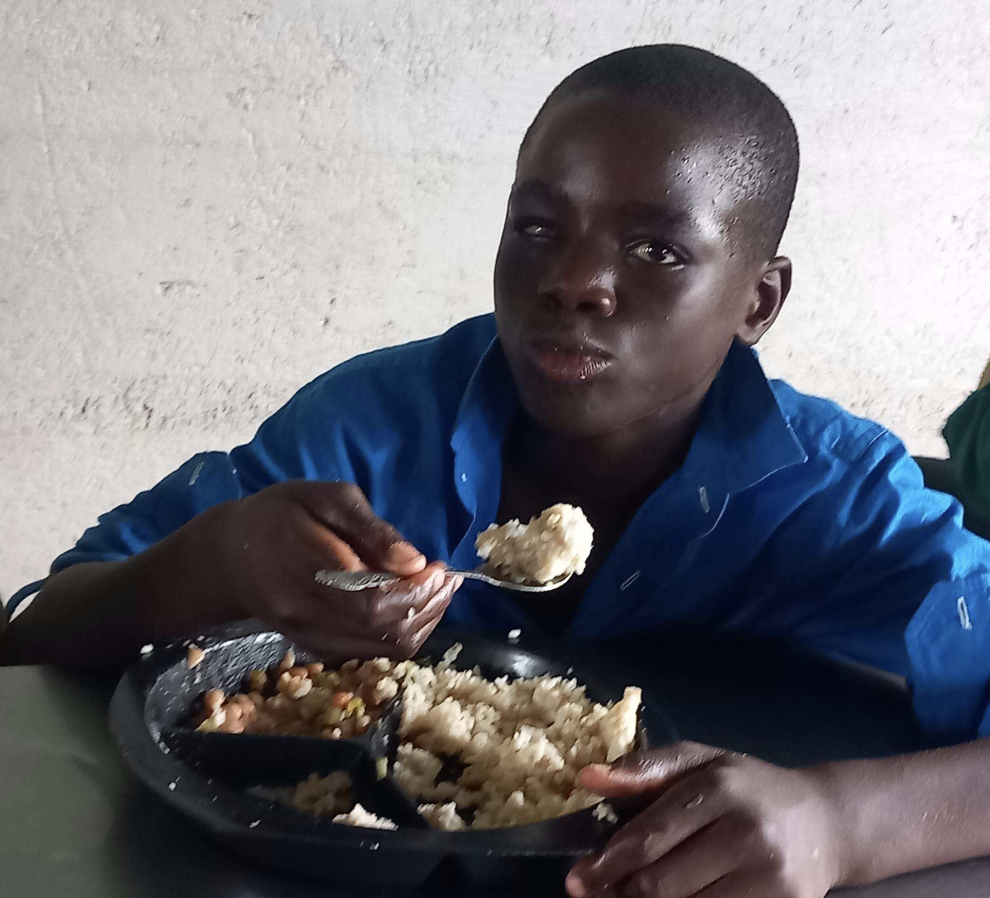
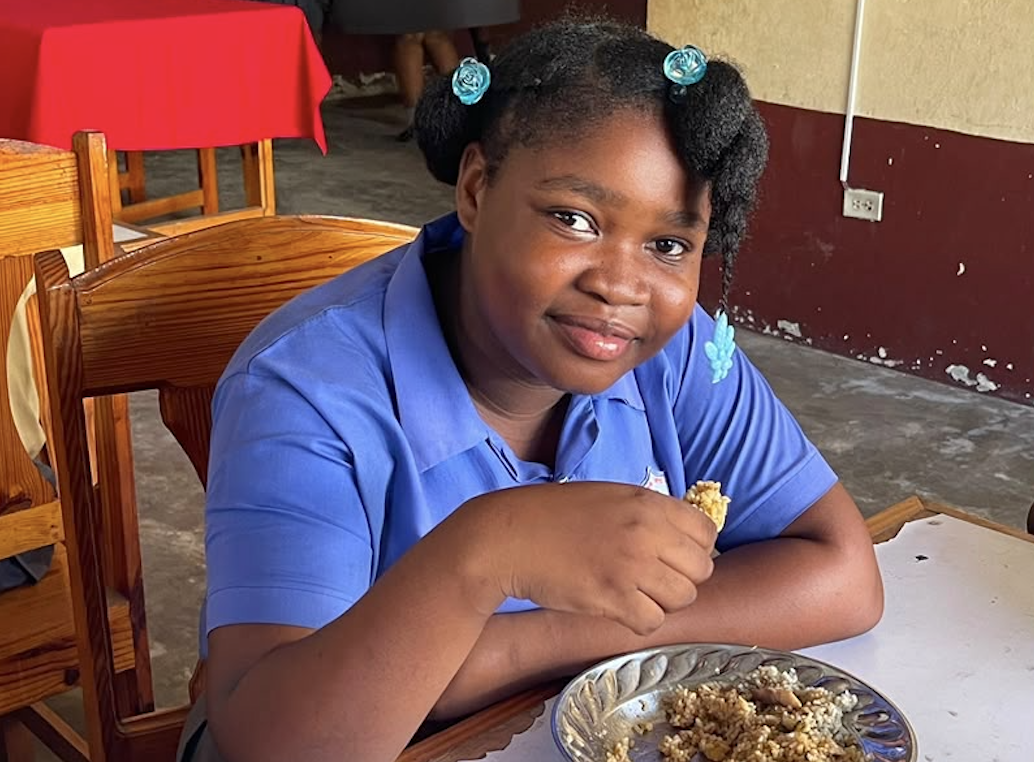
The Children’s Home in Makululu, Zambia, provided meals to children at risk with a feeding program made possible by donor funding from Salesian Missions.
Salesian missionaries operating the Children’s Home, part of Don Bosco Makululu, located in Kabwe, Zambia, had donor funding for its feeding program thanks to Salesian Missions. The program impacted orphans and youth who are vulnerable or at risk.
A Salesian noted, “These youth, particularly those working as street vendors, need a lot of encouragement, follow up, and monitoring to persevere and go back to school. Most who complete primary education at our school would find it extremely difficult and, in many cases, impossible to continue secondary education in existing government schools, so they need the extra support.”
The Makululu compound, where the Children’s Home is located, is considered Zambia’s largest informal settlement area. It was a farm belonging to a mining company, which at one time had housing for its workers. Now, there is a lack of adequate infrastructure such as water and sanitation facilities. Most of the houses in Makululu are constructed with low-quality building materials and by unqualified builders and owners.
###
Sources:
Photos courtesy of Salesian Missions (contact for usage permissions)
*Any goods, services, or funds provided by Salesian Missions to programs located in this country were administered in compliance with applicable laws and regulations, including sanctions administered by the U.S. Department of Treasury’s Office of Foreign Asset Control.