WORLD TEACHERS’ DAY: Salesian Missions highlights Salesian schools and educators around the globe
Day celebrated Oct. 5 to honor role of teachers in lives of students
(MissionNewswire) Salesian Missions, the U.S. development arm of the Salesians of Don Bosco, joins humanitarian organizations and countries around the globe in honoring World Teachers’ Day, which has been celebrated each year on Oct. 5 since 1994. The day honors the vital role that teachers play in the lives of their students and commemorates the anniversary of the signing of the 1966 ILO/UNESCO Recommendation concerning the Status of Teachers.
UNESCO has noted the day is “a day to celebrate how teachers are transforming education but also to reflect on the support they need to fully deploy their talent and vocation, and to rethink the way ahead for the profession globally.”
Salesian missionaries educate more than 1 million youth in over 5,500 schools and youth centers and nearly 1,000 vocational, technical, and agricultural schools in more than 130 countries around the globe.
Father Michael Conway, director of Salesian Missions, said, “Salesian teachers are the backbone of Salesian education. Because Salesian schools educate youth who are vulnerable and at risk around the globe, they know their students are facing more than learning math and reading. Salesian teachers meet these challenges head-on, providing education and hope for a brighter future.”
In honor and celebration of World Teachers’ Day 2026, Salesian Missions is proud to highlight the work of Salesian teachers and programs that support them around the globe.
INDIA
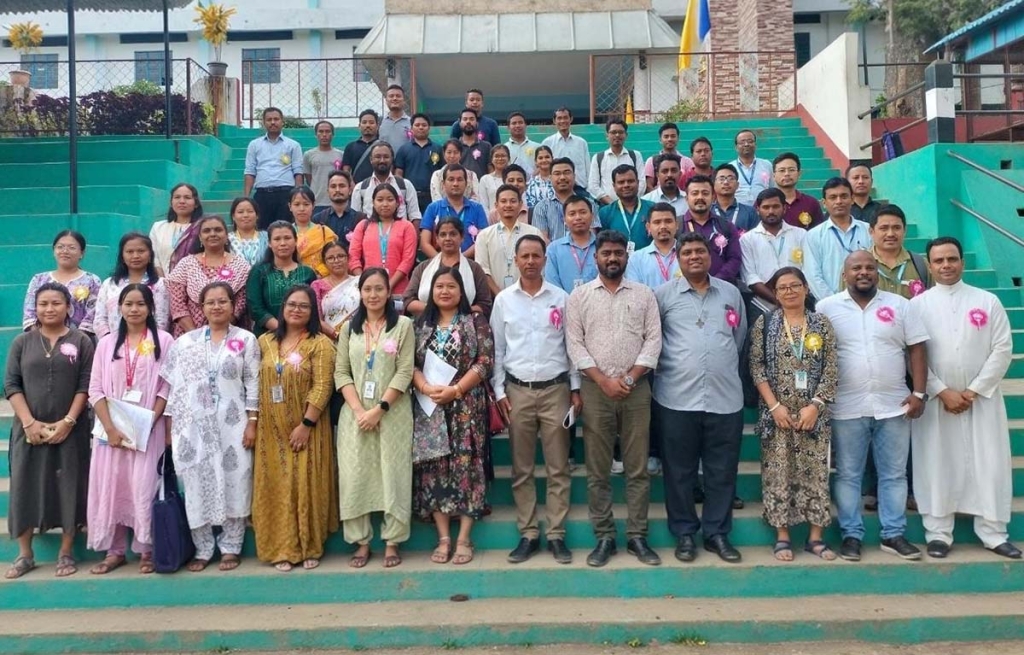
Teachers in India were able to learn about career guidance relevant to the local job market through training from Salesian missionaries.
Salesian missionaries held a two-day teacher training on career guidance at Don Bosco schools in Tripura, India. The training was held at Xavier’s Higher Secondary School and was coordinated by the school’s principal, Father Babu Stephen. It brought together 80 teachers from eight schools across the state.
A Salesian explained, “Over the two days, the sessions focused on the concept and significance of career guidance, higher education pathways, employment opportunities, university systems, and challenges in the present job market.”
Teachers engaged in interactive discussions, case studies, and group activities, supported by handouts and multimedia presentations. The resource person’s ability to combine theory with real-life experiences was highlighted, making the training practical and relevant to the job market in Tripura.
KENYA
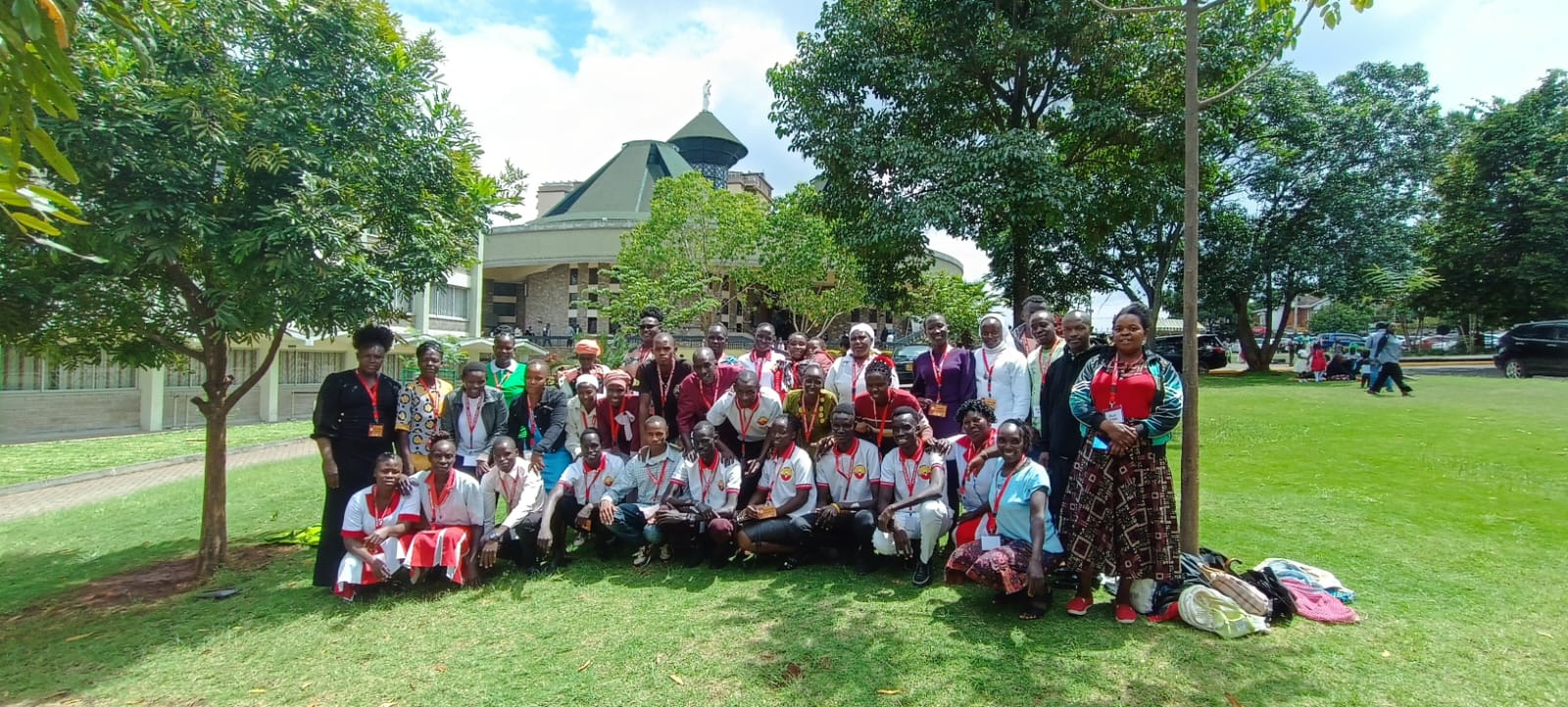
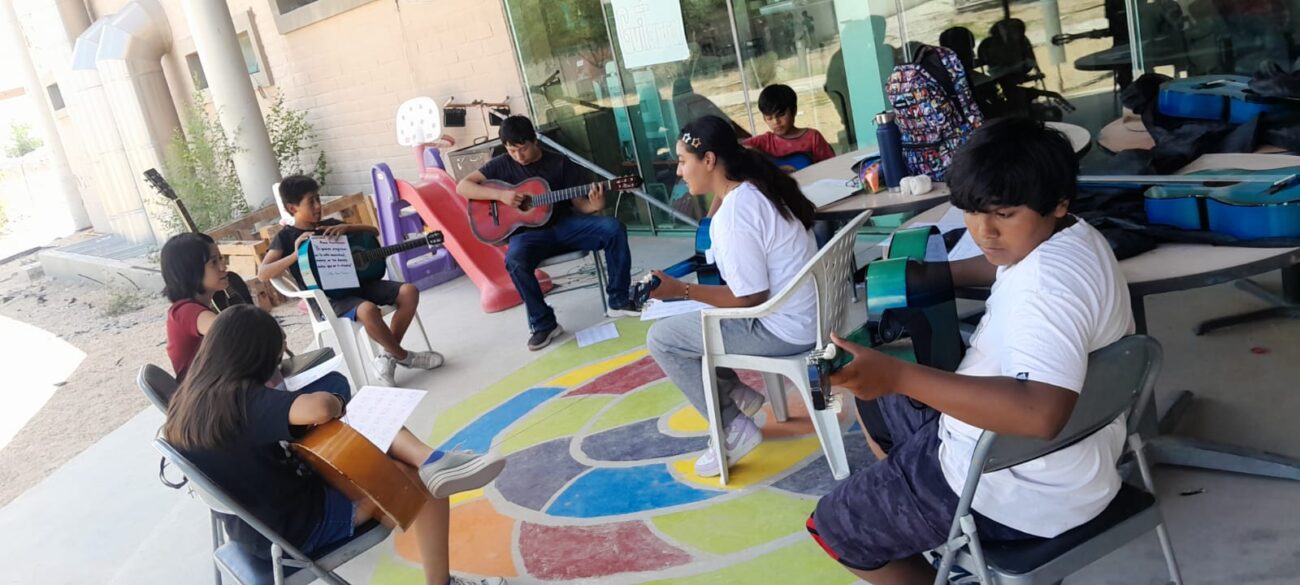
Salesian missionaries in Kenya provided spirituality training for Salesian teachers thanks to donor funding from Salesian Missions.
Salesian missionaries were able to train Pontifical Missionary Children animators and Sunday school teachers in Salesian parishes in Kenya, thanks to donor funding from Salesian Missions. Through this project 66 animators and teachers were trained across seven parishes.
The animators and teachers were trained in psychology of child development, psychosocial development, James Fowler’s model of faith development and cognitive development contemporary theories for children learning spirituality.
A Salesian explained, “This was an excellent training project. Now with the 66 animators and teachers trained, they will bring what they learned to educate more than 12,000 children, aged 5-12 years, in various parishes. Not only that but animators and teachers were able to share their experiences, build a supportive network and continue to learn from each other.”
By the end of the training, participants felt a renewed sense of confidence and purpose. The practical methods and creative strategies learned helped them better engage with students and strengthened the trust between them and the children’s parents.
RWANDA
Don Bosco Gatenga in Rwanda offers a train-the-teacher model of education in renewable energies.
Don Bosco Gatenga Vocational Training Center, located in Gatenga, in the Kicukiro District of Kigali, Rwanda, is working to multiply the impact of renewable energy in educational centers. It regularly hosts education programs in photovoltaic solar energy for vocational training educators and teachers. Initiatives combine technological innovation, sustainability and educational commitment to respond to the region’s energy challenges.
Don Bosco Gatenga has established itself as a benchmark in technical education, particularly in the field of renewable energy, for the entire East African region. Through programs based on the train-the-teacher model, the center creates a network of educators who can replicate what they have learned in their respective countries and educational settings.
Courses are developed in collaboration with other Salesian vocational training centers in the region and German Engineers Without Borders with the support of international organizations. Teachers learn the fundamentals of direct and alternating current systems, the sizing of structures for residential and institutional environments, cabling techniques, safety regulations, hybrid and isolated configurations, and mounting structures adapted to different environments and remote monitoring systems.
A Salesian explained, “The aim of these courses is not only to install solar panels, but to train those who can teach and support other young people on this path toward sustainable energy. We want every qualified teacher to become an agent of change in their own community.”
SPAIN
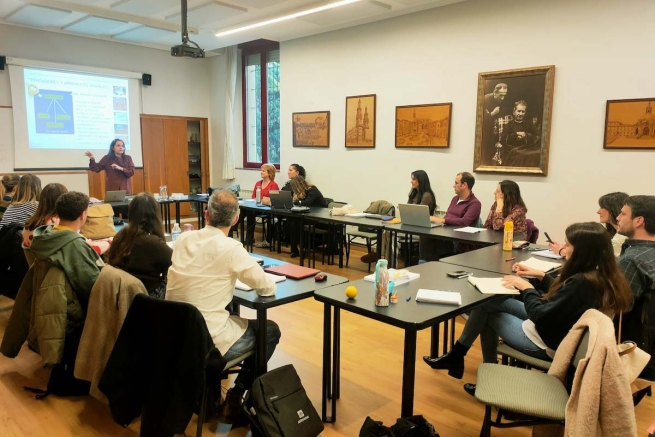
In Spain, Salesian teachers received training to learn about educating students on the autism spectrum.
The Salesian Center in Deusto, a district in Bilbao, Spain, held an educational meeting focused on autism for teachers from various Salesian centers in the northern part of Spain’s St. James the Greater Province. The meeting took place over two days and combined reflection, knowledge and practical tools for educational action.
The workshop held for the teachers was devoted to a basic level of understanding of the autism spectrum, with the aim of helping participants to better understand people with autism, their way of perceiving the world, and communicating and relating to others. One of the most important challenges for schools is ensuring the inclusion of students with special educational needs or disabilities or those who are in vulnerable situations. Without specific support, there is a risk of increasing exclusion rather than reducing it.
Elisa Gutiérrez Hernández, a teacher at CES Don Bosco and an expert in inclusion, noted, “An inclusive school must understand that each student is the sum of their interests, abilities and needs. Therefore, recognizing diversity means recognizing the very essence of each class and ensuring the full participation of all pupils. It is necessary to analyze in order to transform and to adapt so that everyone has a place, regardless of labels.”
Hernández added, “Building an inclusive school is not just a question of methodology, but also of perspective and culture. It involves a commitment to preparing a personalized learning experience, designed from the outset to take into account the unique characteristics of each individual in our classrooms. It means ensuring that everyone can learn and participate, because what really matters is sharing the learning experience and growing together.”
###
Sources:
INDIA: Teachers learn about career guidance relevant to local job market/ANS Photo (usage permissions and guidelines must be requested from ANS)
KENYA: Salesian missionaries provide spirituality training for Salesian teachers thanks to donor funding from Salesian Missions/Photo courtesy of Salesian Missions (contact for usage permissions)
RWANDA: Don Bosco Gatenga offers train-the-teacher model of education in renewable energies/Photo courtesy of Misiones Salesianas
SPAIN: Salesian teachers learn about educating students on autism spectrum/ANS Photo (usage permissions and guidelines must be requested from ANS)