WORLD HUMANITARIAN DAY: Salesian Missions highlights aid efforts around the globe
Day is celebrated Aug. 19
(MissionNewswire) Salesian Missions, the U.S. development arm of the Salesians of Don Bosco, joins humanitarian organizations and countries around the globe in recognizing World Humanitarian Day. Celebrated every year on Aug. 19, World Humanitarian Day honors the humanitarian efforts worldwide that support people in crisis.
The day was established by the United Nations to recognize those who face danger and adversity in order to help others. It was designated to coincide with the anniversary of the 2003 bombing of the U.N. headquarters in Baghdad, Iraq. The bombing killed 22 humanitarian aid workers, including the U.N. special representative of the secretary-general for Iraq, Sergio Vieira de Mello. Five years later, the General Assembly adopted a resolution designating Aug. 19 as World Humanitarian Day.
“Humanitarian aid can often mean the difference between life and death in the communities Salesians serve,” explained Father Michael Conway, director of Salesian Missions. “Because Salesians live in the communities they serve, they are often on the front lines of humanitarian disasters. Whether providing water access or critical food aid in communities or clothing and shelter in the immediate aftermath of a disaster, Salesians are perfectly positioned to help.”
In honor and celebration of World Humanitarian Day 2026, Salesian Missions is proud to highlight humanitarian aid in countries around the globe.
SIERRA LEONE
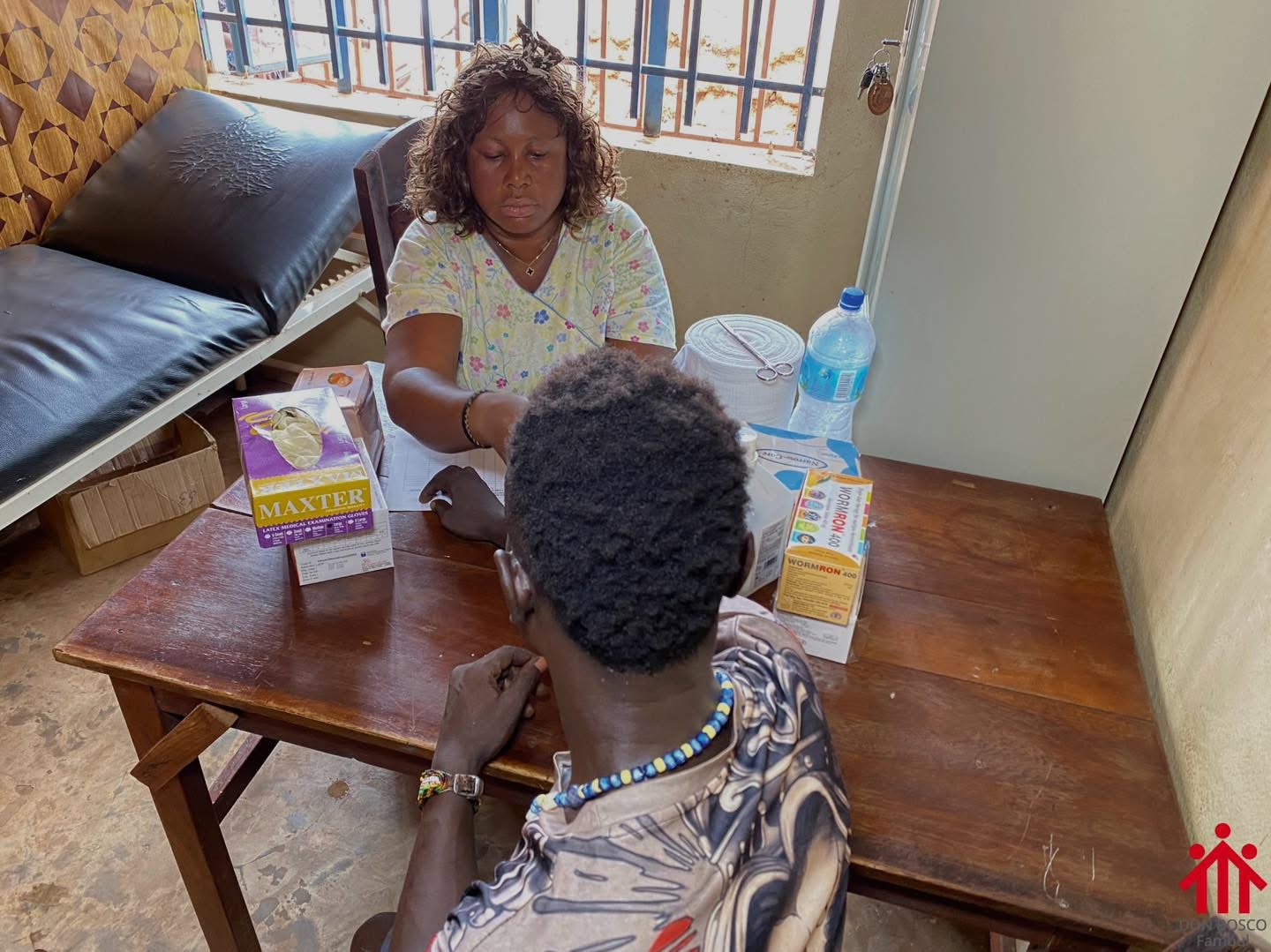
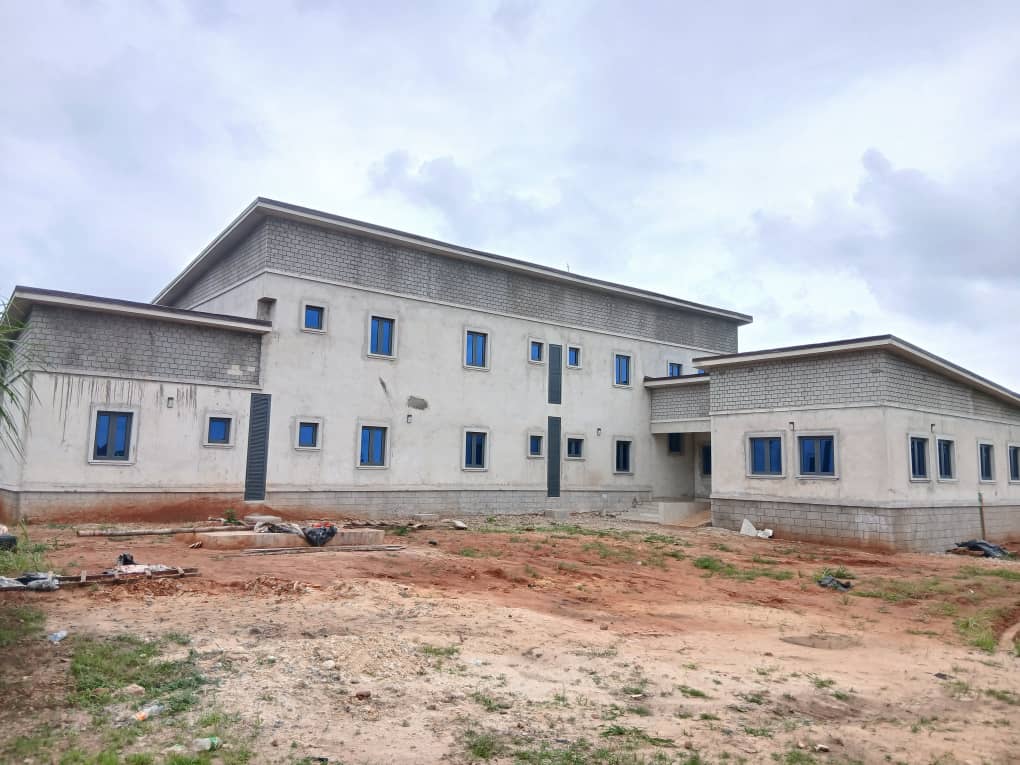
Salesian missionaries provided people in prison in Sierra Leone with essential services thanks to donor funding from Salesian Missions.
Salesian missionaries were able to support the Pademba Prison Project in 2025, thanks to donor funding from Salesian Missions. The project has successfully maintained life-saving interventions despite a critical funding shortfall and an infrastructural collapse following a 2024 prison break. The prison is located in Freetown, Sierra Leone.
The project reached 225 vulnerable inmates with integrated support services like nutrition, primary healthcare and legal protection. In addition, 1,245 inmates benefited indirectly from access to general medical and dental services.
The primary group supported as part of this project included youth and adult male inmates, particularly those who were malnourished, chronically ill, psychologically distressed, or in prolonged pre-trial detention.
The project focused on survival and basic dignity in an overcrowded environment. Inmates received nutritionally balanced meals, resulting in visible improvements in physical strength and weight gain. Bi-monthly assessments were conducted. Notably, 11 cases of acute malnutrition were detected and treated, preventing potential fatalities. Monthly distribution of soap, toothpaste and sanitary products, combined with six educational sessions, led to a marked reduction in skin infections.
With the prison hospital non-functional since 2024, the project became a primary healthcare provider including medical and dental clinics, essential medications, and first aid access. Three bulk deliveries of essential drugs reduced treatment delays by 70%. The first aid allowed for the immediate management of minor injuries in 80% of cases.
SOUTH SUDAN
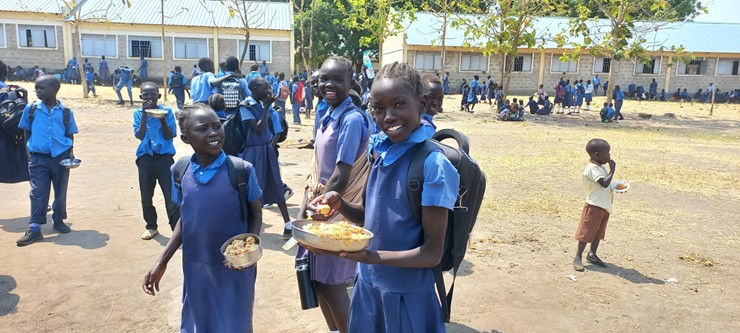
More than 20,000 people in South Sudan received better nutrition through partnership between Rise Against Hunger and Salesian Missions.
More than 20,000 people, who are part of the Don Bosco Mission in South Sudan*, had access to better nutrition through two shipments that arrived in the first quarter of 2026. The food shipment was the result of a partnership between Salesian Missions and Rise Against Hunger.
The Don Bosco Mission supports primary schools with about 7,000 children, three secondary schools accommodating around 1,800 students and approximately 5,900 internally displaced persons living in the Don Bosco Camp. The mission also includes five parishes where many vulnerable and low-income families reside. The fortified rice meals played a crucial role in addressing immediate food needs, especially among children, students, displaced families, and the poorest members of the surrounding community.
Among the recipients are those internally displaced with the Don Bosco Mission Juba, students with Don Bosco Mission Maridi, vocational students with Don Bosco Mission Wau and Don Bosco Mission Kuajok, children living on the streets and neighborhood families with Don Bosco Mission Tonj, and students in primary and secondary school as well as parishioners with Don Bosco Mission Morobo. The rice is being utilized for daily school feedings, a monthly ration for those displaced living in the Don Bosco Camp in Gumbo, Juba, and as timely support for poor families in the parish and neighborhoods.
One of those supported is Sunday, who lives in the Don Bosco Camp. She noted that every day is a struggle to find food and a sense of safety. She said, “Some days we would only eat once, and sometimes not even a single meal. Our parents and guardians worried constantly about how to find food as many donors had pulled out of supporting us, therefore many of us relied on irregular support, and when supplies ran out, it created tension and fear in the community.”
Sunday added, “When the rice finally arrived and was distributed, it made a real difference. For a time, families didn’t have to worry as much about their next meal. In my own home, we are able to eat regularly, and this has brought a sense of relief and dignity.”
TANZANIA
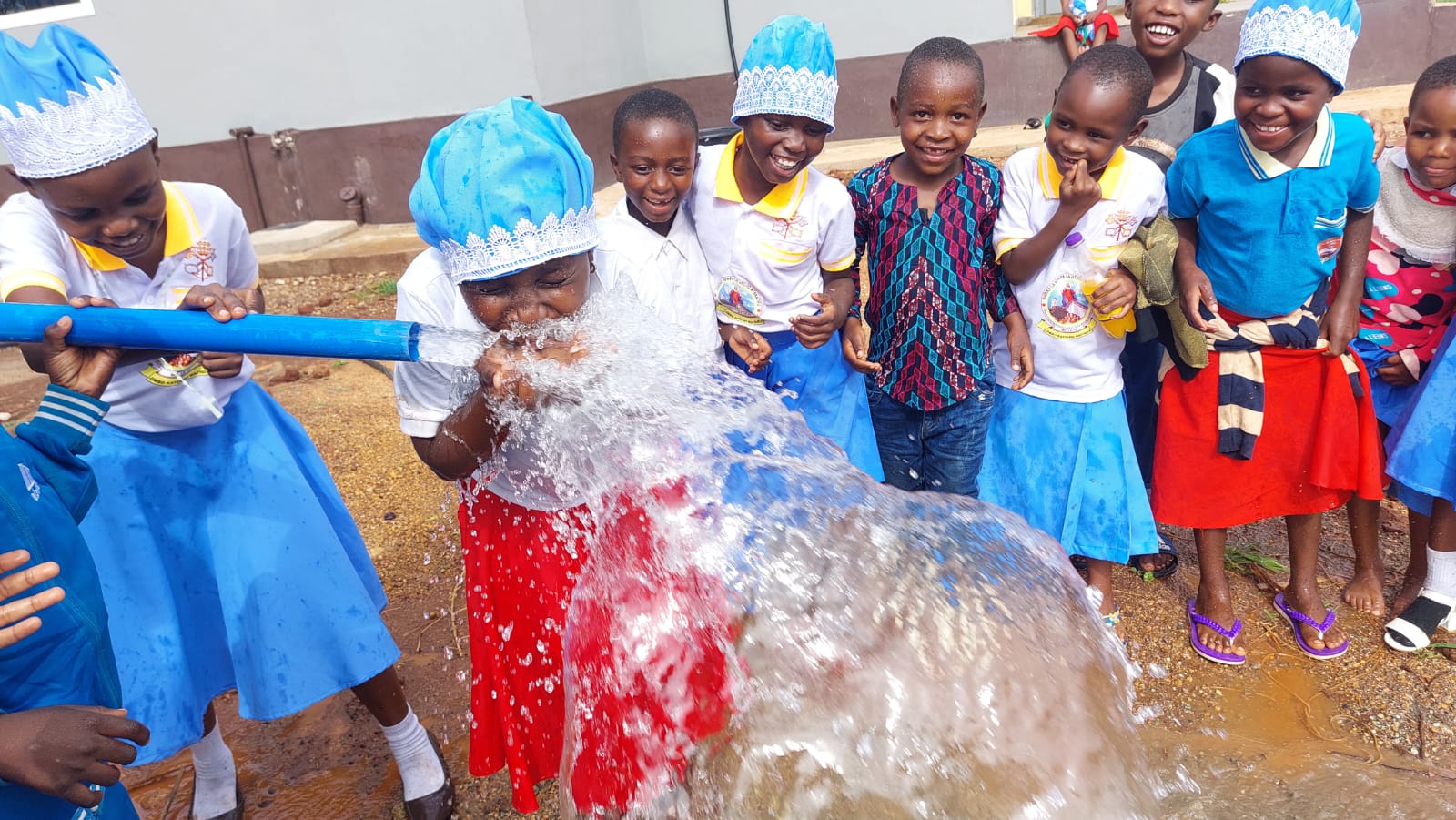
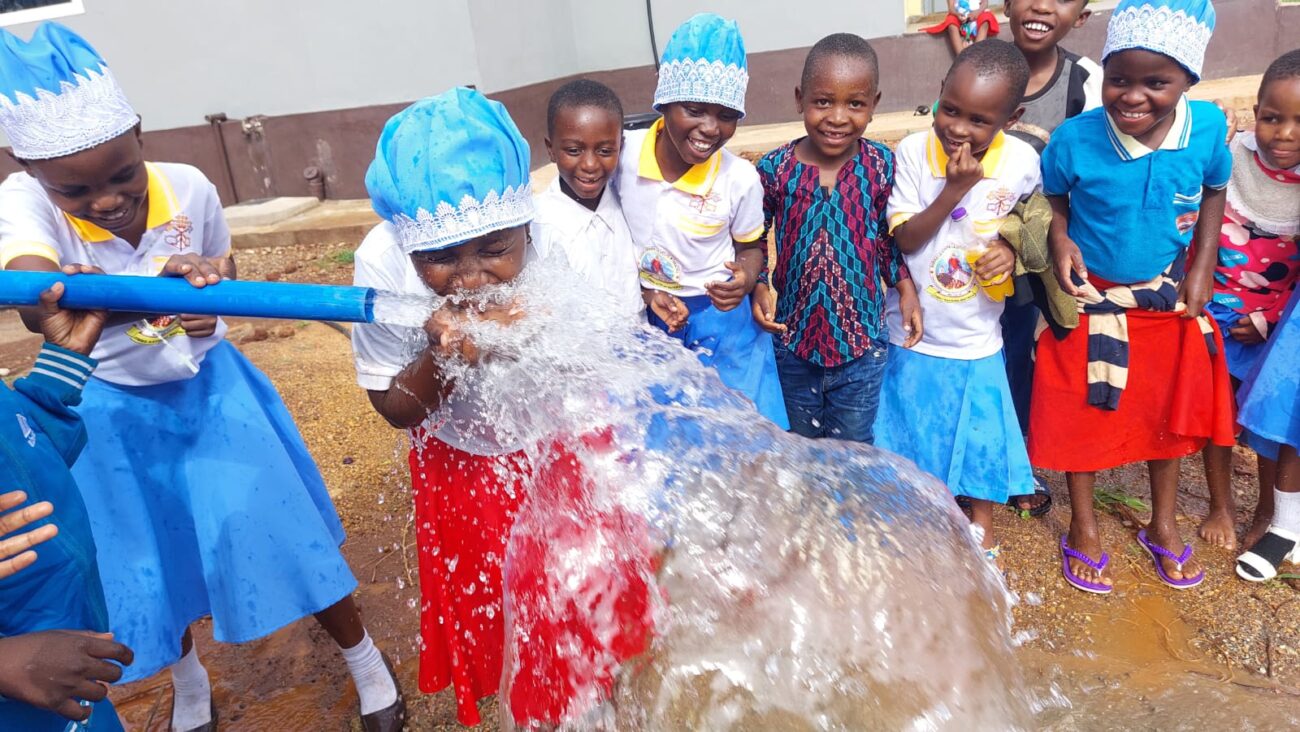
A water project funded by Salesian Missions ensures clean water access to 10,000 people in Don Bosco Igawa Parish in Tanzania.
Salesian missionaries with the Don Bosco Igawa Parish in Tanzania have fresh, clean water for their community thanks to donor funding from Salesian Missions. The funding was part of the Salesian Missions “Clean Water Initiative” and was implemented to respond to chronic water scarcity affecting Igawa village and surrounding rural communities in the Mbeya region.
With the new water access, more than 10,000 people have clean water, reducing time spent fetching water, particularly for women and children. Hygiene and school attendance improved, and waterborne illness decreased in the village.
Mariana Mtawa, a resident, said, “Before the borehole was drilled, my children and I used to wake up very early to look for water. Sometimes we walked more than two hours, and even then, the water we found was not clean. During the dry season, it was very difficult, and my children would miss school because they were tired or sick. When drilling started, we were worried because we had heard the rocks were very hard, and the first machine failed. We prayed that the work would not stop. When water was finally reached, the whole village celebrated.”
Mtawa added, “Now we have water every day near the parish. My children are healthier, they go to school on time and I can use the extra time to work on my farm. Even though the tank is still small, we are very grateful, and we hope the bigger tank will come soon. This water has changed our lives.”
UGANDA
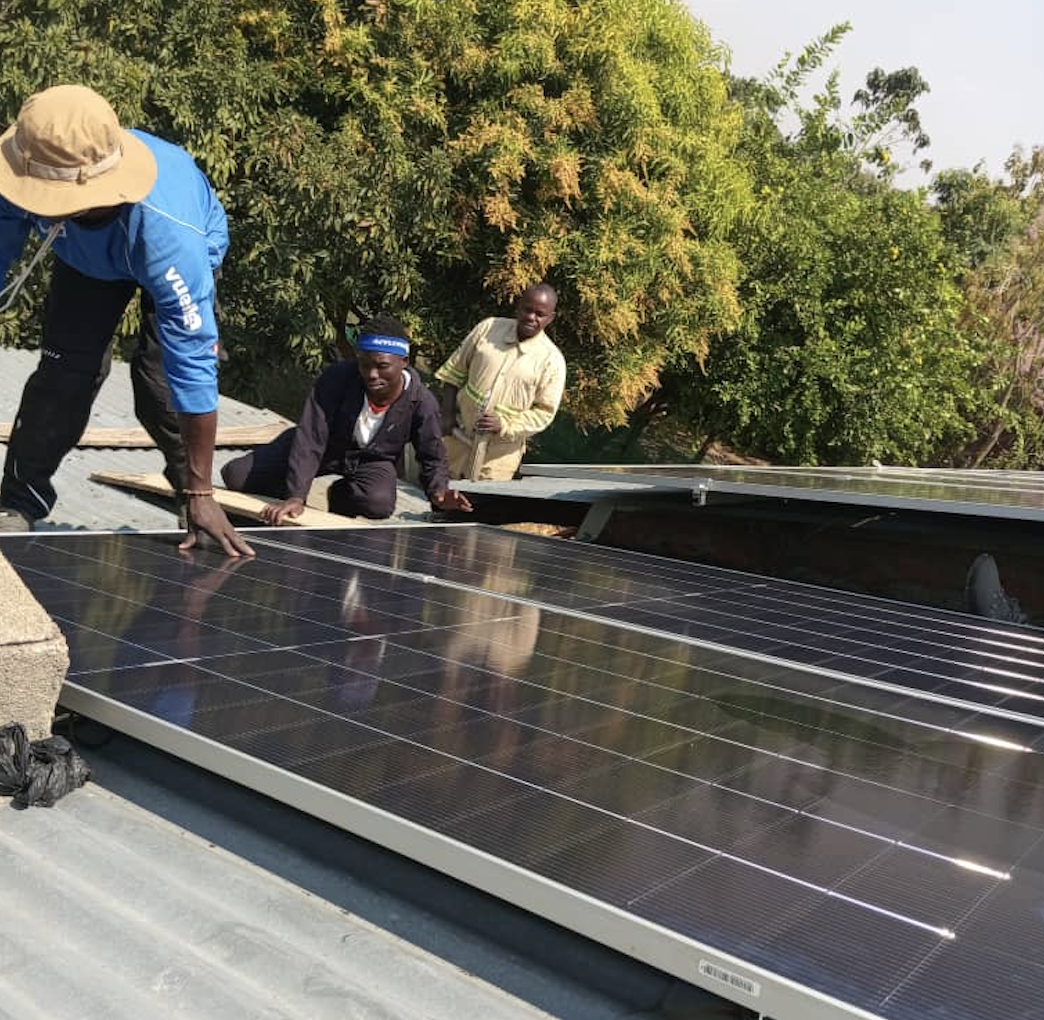
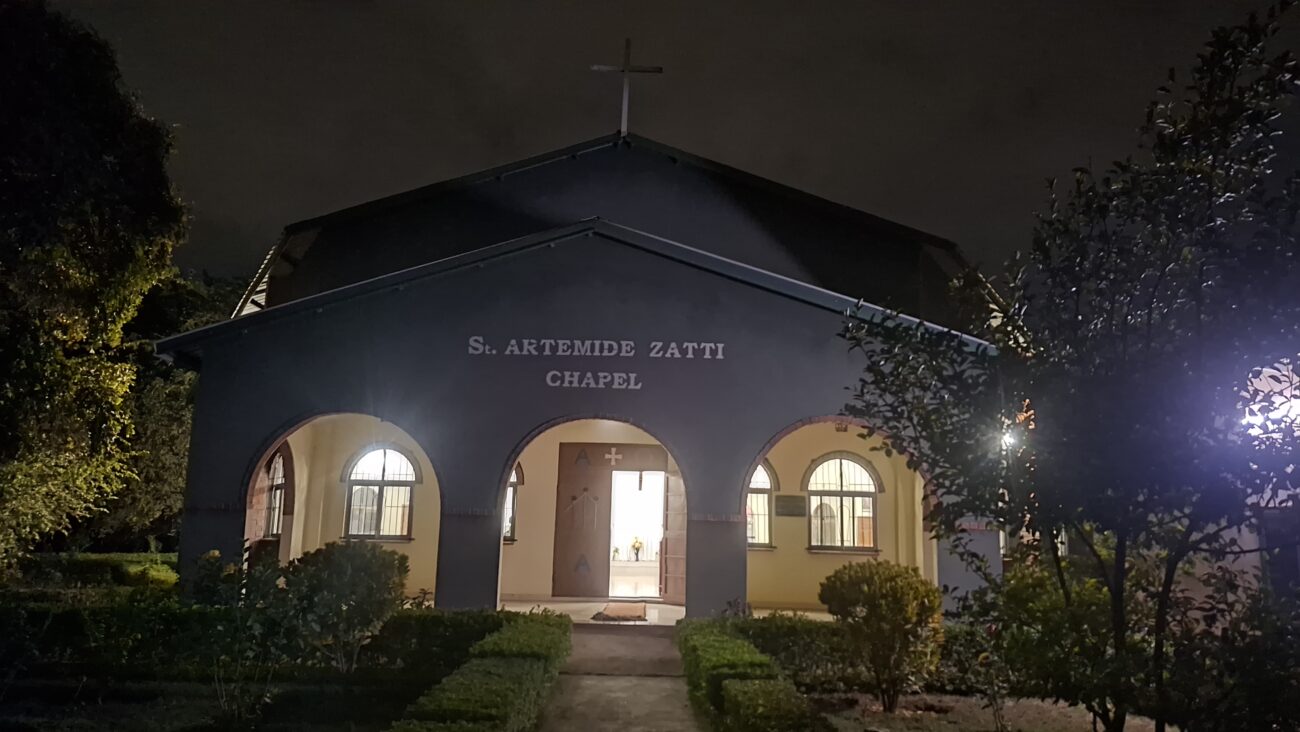
The Salesian community in Palabek Refugee Settlement in Uganda has a new solar power system thanks to donor funding from Salesian Missions.
The Salesian community in Palabek Refugee Settlement, located in Uganda, has a new solar power system thanks to donor funding by Salesian Missions. The funding enabled the successful installation of 60 high-quality solar panels, harnessing renewable energy to meet the community’s electricity needs. This significantly enhances energy access for the community, including religious missionaries and residents.
The upgraded system has contributed to reducing dependence on fuel-based generators, leading to noticeable savings in operational costs. The new system also advances environmental conservation efforts by utilizing renewable solar energy and decreasing the community’s carbon footprint. More than 600 people from the youth center and chapel have been impacted by this donation.
Before the project, chapels, youth centers, nursery schools and the community needed more electricity than the existing system could provide. The old system’s capacity was insufficient to supply continuous electricity where needed. The 12 batteries could only power the area for a few hours after sunset, with some lighting lasting just three hours. To address this, the new system increased the number of batteries to 16, including high-quality lithium batteries known for their long-lasting life and resistance.
The installed system now supports lighting, communication, and basic electrical needs within the residence, enhancing daily living and community activities. The improved energy infrastructure has increased the community’s ability to support various programs and activities, fostering development and well-being.
###
Sources:
Photos courtesy of Salesian Missions (contact for usage permissions)
*Any goods, services, or funds provided by Salesian Missions to programs located in this country were administered in compliance with applicable laws and regulations, including sanctions administered by the U.S. Department of Treasury’s Office of Foreign Asset Control.