INT’L DAY FOR STREET CHILDREN: Salesian Missions highlights programs that educate and empower youth
Day celebrated each year on April 12
(MissionNewswire) Salesian Missions, the U.S. development arm of the Salesians of Don Bosco, joins humanitarian and international organizations around the globe in highlighting the plight of children and youth who are homeless on the International Day for Street Children. The day provides organizations and the millions of street children worldwide with an opportunity to have their voices heard while ensuring that their rights are not ignored.
Celebrated each year on April 12, the day was established by the United Nations to raise awareness of issues affecting youth forced to live on the streets. The Consortium for Street Children founded the International Day for Street Children in 2011 and is the leading international network dedicated to realizing the rights of street children worldwide.
Father Michael Conway, director of Salesian Missions, explained, “Salesians know that children living on the street need more than just their basic needs met. They need to be able to live safely while having the emotional support and education that will help them live independently later in life.”
In honor of the International Day for Street Children, Salesian Missions is proud to share Salesian programs around the globe that provide youth hope for a better life.
BENIN
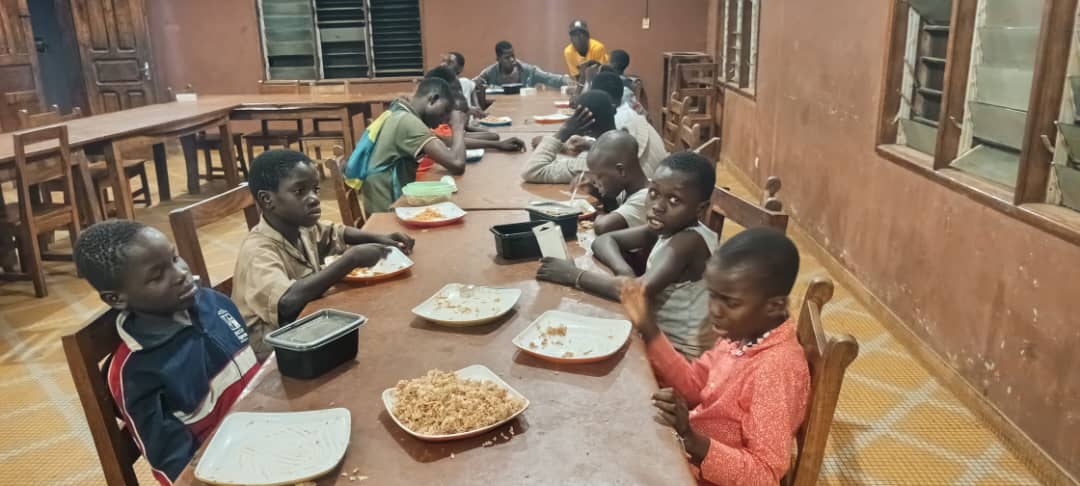
More than 500 children and youth in Porto-Novo. Benin, received healthy meals through Rise Against Hunger’s partnership with Salesian Missions.
Youth attending Foyer Don Bosco, located in Porto-Novo, Benin, received a shipment of nutritious meals through a partnership between Salesian Missions and Rise Against Hunger. The meals fed 550 youth in the first half of 2025.
A Salesian noted, “One of the main successes of the project has been its strong emotional impact and positive reaction of the children. The project also contributed to improving the community’s nutrition with fewer cases of malnutrition-related illness reported. The feeding program also allowed children to remain focused on their education without interruptions from hunger.”
One of the recipients is Franck, aged 10, who lives at Foyer Don Bosco. He said, “Beforehand, many of us did not always have enough to eat. Sometimes, we were hungry, and it was difficult to follow the lessons being taught. Today, we’re able to have meals and eat properly. When I eat, I am happy, I feel strong and I can learn well at school. For us, a meal is not just about eating. It is about finding joy, no longer thinking about the streets, and no longer being afraid to resort to stealing or begging. It is also knowing that someone, somewhere, is thinking of us and loves us.”
KENYA
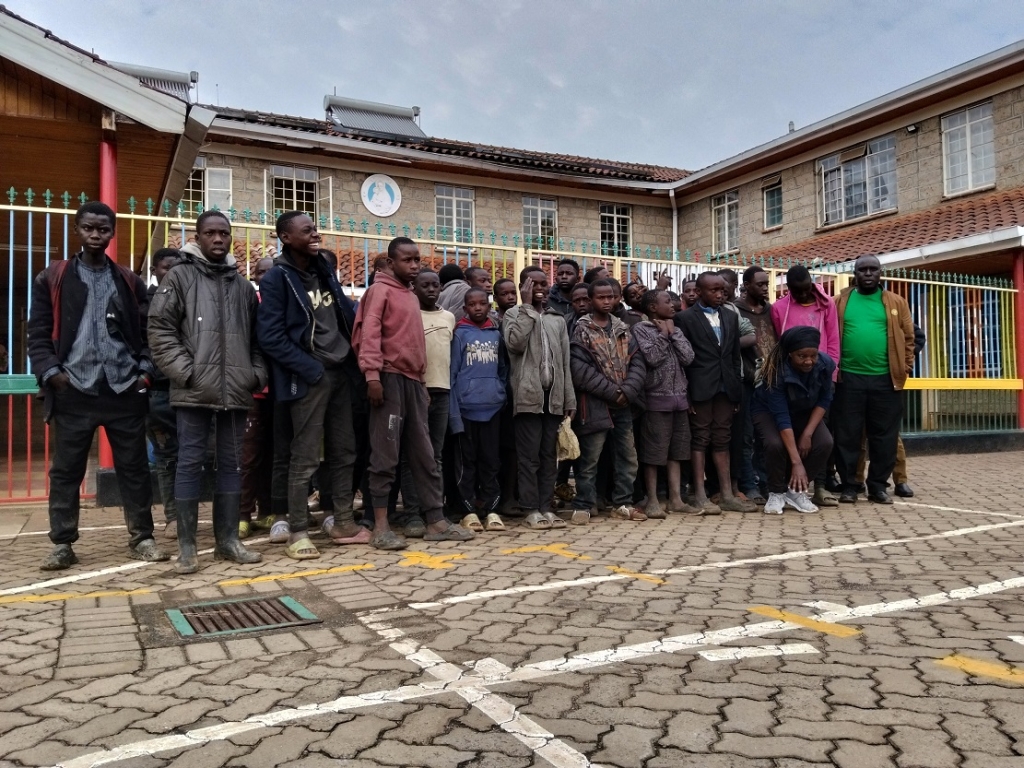
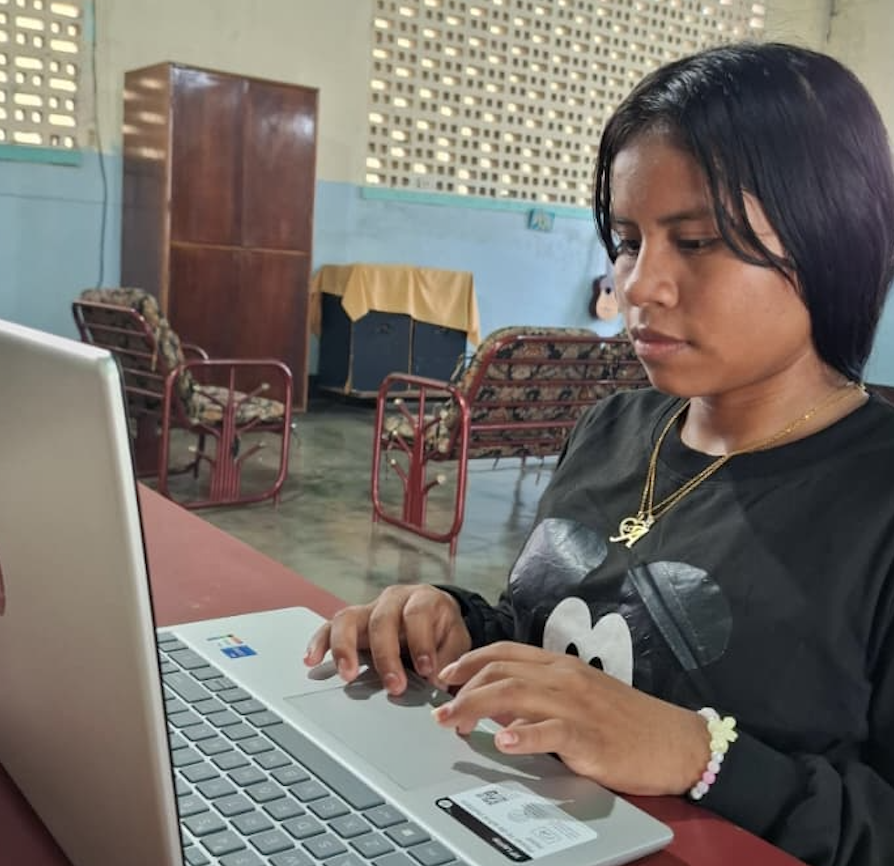
At Don Bosco Boys Town Langata in Kenya, youth who had been living on the streets receive education and services.
Don Bosco Boys Town (Bosco Boys) Langata is providing services to 32 boys who had been living on the streets of Nairobi, Kenya. The Salesian organization is the first reception place for youth to take part in a program of rehabilitation, literacy, and gradual inclusion into school or learning a trade.
A Salesian explained, “The boys stay at Langata for a period of three to six months, during which they receive assistance to stabilize them. Once they have made satisfactory progress, both personally and educationally, they are transferred to Bosco Boys Kuwinda to continue their education. At Kuwinda, the boys follow a standard education program, from primary to high school.”
Students who complete their primary education are then assisted with secondary education or are advised to choose technical training in sister institutions. The secondary education is most often provided at Don Bosco Technical Secondary School in the town of Embu, northeast of Nairobi.
With the two-year technical training, youth have a wide variety of skills to choose from, including tailoring, car engineering/mechanics, carpentry, electrical work, and welding, as well as secretarial skills and a full spectrum of computer-related job skills. After graduation, more than 80% of graduates are employed in their fields of study. Many students go on to attend university or establish their own businesses and become entrepreneurs in Nairobi.
SIERRA LEONE
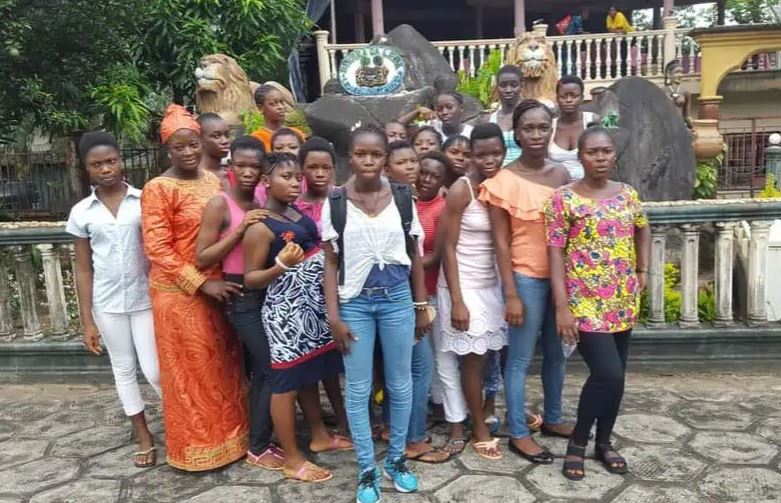
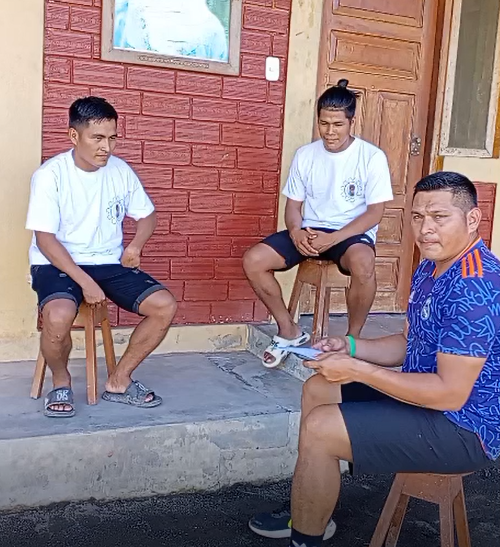
Don Bosco Fambul, one of Sierra Leone’s leading child welfare organizations, focuses on serving youth who have been living on the streets.
Salesian missionaries have been serving in Sierra Leone since 2001, when they began working to rehabilitate former child soldiers. In the years since, Don Bosco Fambul, located in the capital city of Freetown, has become one of the country’s leading child welfare organizations. It offers food, clothing, crisis intervention services, shelter, educational opportunities, long-term counseling and family reunification.
At the core of Don Bosco Fambul’s work is a program for street children. The organization has a staff of 120, including Salesian social workers who go out to the streets, poor areas and marketplaces. They engage with vulnerable youth and encourage them to join Don Bosco Fambul’s programs.
The success of the street children rehabilitation program is credited to its holistic approach which focuses on meeting basic needs like food and shelter in addition to personalized medical, psychological, pedagogical, social and spiritual care. Salesians reach out to an estimated 2,500 street children in the region each year.
Rehabilitation is a gradual process that includes formal classes, daily games, sports, music, drama, dancing, counseling and prayer. The parents and extended families of participants are contacted several times by social workers before final reunification.
TIMOR-LESTE
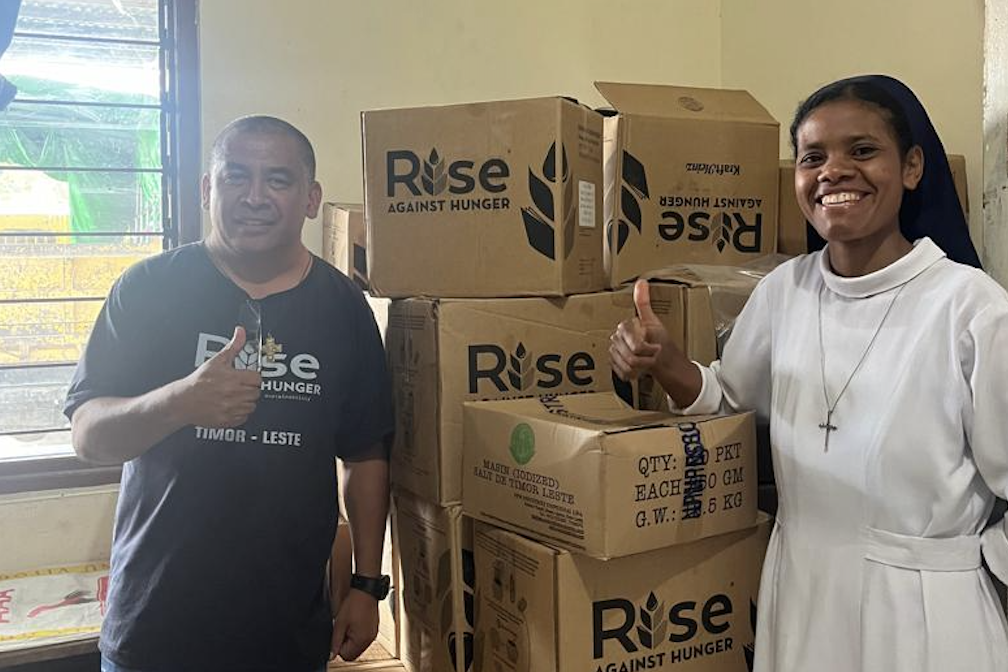
Schools, centers and orphanages in Timor-Leste received food through a Salesian Missions and Rise Against Hunger partnership.
Youth attending Salesian schools, orphanages and youth centers in Timor-Leste had access to better nutrition through a partnership between Salesian Missions and Rise Against Hunger. In the first half of 2025, Rise Against Hunger meals fed 1,766 youth across 24 centers around the country.
Dircia, a 17-year-old woman, lives at the Franciscan Sister’s Youth Center and Boarding House in Tibar in the Liquica District. Liquica is a coastal and mountainous municipality in the northern part of Timor-Leste, with a population of 75,000. The local economy is based on agriculture with coffee, red bananas, cassava and livestock as key products. Farmers face challenges in accessing markets due to poor infrastructure and terrible roads.
Dircia had nine siblings, with two passing away when they were children due to malnutrition. Her mother passed away after delivering Dircia’s youngest brother. The siblings were sent to different youth centers and orphanages. She and her siblings all have experienced better nutrition through Rise Against Hunger meals.
Dircia is thankful for the Rise Against Hunger meals and said that they have taught her about taking care of others’ well-being first. She promises to study hard because she wants a good job in the future to improve her life and be of service to others.
###
Sources:
BENIN: 550 youth receive healthy meals through Rise Against Hunger’s partnership with Salesian Missions/Photo courtesy of Salesian Missions (contact for usage permissions)
KENYA: Youth prepare for new life after living on the streets/ANS Photo (usage permissions and guidelines must be requested from ANS)
Consortium for Street Children
SIERRA LEONE: Youth rescued from streets/ANS Photo (usage permissions and guidelines must be requested from ANS)
TIMOR-LESTE: 24 schools, centers and orphanages receive food through Salesian Missions and Rise Against Hunger partnership/Photo courtesy of Salesian Missions (contact for usage permissions)