SPAIN: Salesian teachers learn about educating students on autism spectrum
Schools work to ensure inclusion of students
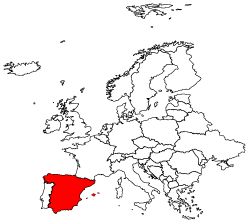
SPAIN
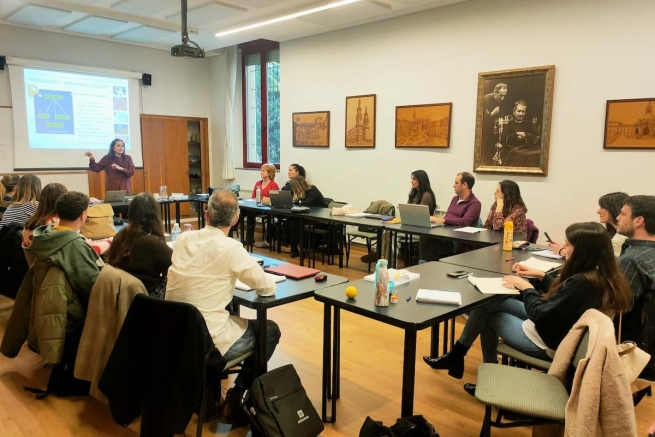
(MissionNewswire) The Salesian Center in Deusto, a district in Bilbao, Spain, held an educational meeting focused on autism for teachers from various Salesian centers in the northern part of Spain’s St. James the Greater Province. The meeting took place over two days and combined reflection, knowledge and practical tools for educational action.
The workshop held for the teachers was devoted to a basic level of understanding of the autism spectrum, with the aim of helping participants to better understand people with autism, their way of perceiving the world, and communicating and relating to others. The second session offered practical strategies and tools for educational support, particularly in academic and school settings, for more accessible, understanding and inclusive environments. The workshop was facilitated by Marlene Horna, a specialist in autism and inclusive education.
One of the most important challenges for schools is ensuring the inclusion of students with special educational needs or disabilities or those who are in vulnerable situations. Without specific support, there is a risk of increasing exclusion rather than reducing it.
Elisa Gutiérrez Hernández, a teacher at CES Don Bosco and an expert in inclusion, noted, “An inclusive school must understand that each student is the sum of their interests, abilities and needs. Therefore, recognizing diversity means recognizing the very essence of each class and ensuring the full participation of all pupils. It is necessary to analyze in order to transform and to adapt so that everyone has a place, regardless of labels.”
Hernández added, “Building an inclusive school is not just a question of methodology, but also of perspective and culture. It involves a commitment to preparing a personalized learning experience, designed from the outset to take into account the unique characteristics of each individual in our classrooms. It means ensuring that everyone can learn and participate, because what really matters is sharing the learning experience and growing together.”
In another learning sessions, Salesians in Lugo took part in a course focused on the dynamic boxes teaching module held by teacher Montse Poyatos Dorado. During the day, participants discovered that dynamic boxes are part of an educational strategy that stands out for its flexible and versatile approach. Montse also introduced the STEPS methodology, which consists of breaking down complex learning into small steps, which must be structured so that students can progress at their own pace.
The approaches on autism and dynamic boxes will soon be available in other educational centers in the Salesian province.
Salesian missionaries in Spain provide primary and secondary educational as well as vocational and technical school to ensure youth acquire employment skills for the futures. Salesians also work to meet the basic needs of those in poverty and offer workforce development opportunities to ensure an easier school to work transition.
###
Sources:
ANS Photo (usage permissions and guidelines must be requested from ANS)
ANS – Spain – Salesian school teachers receive training in inclusive education
Salesian Missions – Spain